Skip to content
If you are exploring new manufacturing business ideas, building a wood charcoal briquette production line stands out as a practical, sustainable opportunity. Every year, massive volumes of forest scraps, sawdust, wood chips and agricultural biomass go to waste across the globe. With the right set of industrial machinery, these low‑cost raw materials can turn into high‑demand molded charcoal briquettes for barbecue, home heating, food processing and export markets. Many new investors jump into this industry without clear planning. Some end up buying mismatched machines, facing frequent breakdowns, or failing to hit expected output targets. Drawing on real‑world project experience, this article walks you through key considerations before you invest in your charcoal‑making facility.
The very first thing you should clarify is your actual project profile. No two charcoal factories are exactly alike. Start with three core questions: what raw materials will you mainly process? What hourly or daily output do you hope to achieve? And what final charcoal products do you plan to sell? Some startup operators only have limited sawdust from local sawmills; others can source large volumes of tree branches, wood chips or coconut shells. A small‑scale charcoal production line may run at 300–500 kg per hour for local domestic sales. A commercial‑grade plant built for export might target 1.5 tons to 3 tons each hour, requiring fully automated feeding, drying, briquetting and carbonization workflows. If your raw material carries high moisture, you cannot skip rotary drying units. Wet biomass will cause blockages in briquette extruders and result in fragile, low‑quality finished briquettes.
When you start reaching out to machinery vendors, you will quickly notice a big gap between general trading companies and real equipment manufacturers. Traders can offer low quoted prices, yet they lack in‑house engineering teams, factory workshops and complete after‑sales resources. When something goes wrong on‑site after machine delivery, traders often cannot deliver fast technical support or original spare‑part supplies. Henan Manto Machinery Equipment Co., Ltd. focuses exclusively on turnkey charcoal equipment design, manufacturing and global project deployment. With decades of hands‑on experience in charcoal processing technology, the company serves both family‑run small‑to‑medium charcoal producers and large‑scale manufacturing enterprises. Their engineering team evaluates each client’s raw‑material condition, site layout and budget, rather than simply pushing standard pre‑configured production packages.
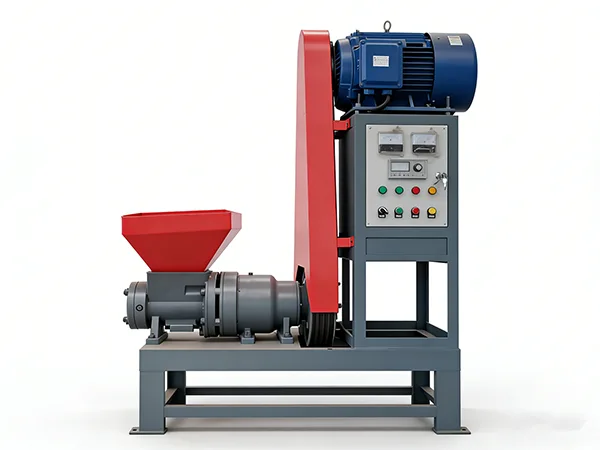
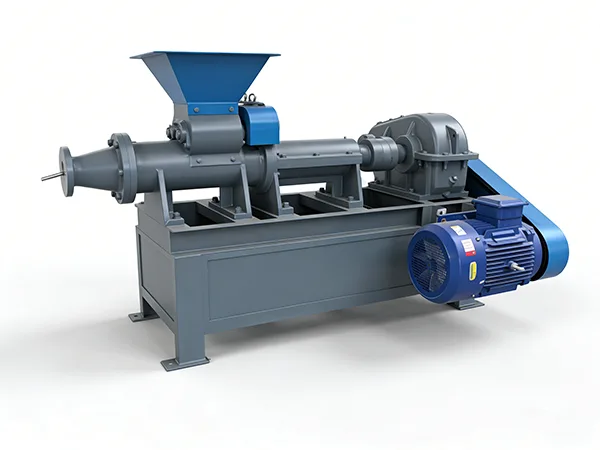
Next, let us look at the core workflow of a complete wood charcoal briquette production line, so you know exactly which major machines you will need. Raw‑material crushing comes first: large wood pieces get reduced into small uniform particles. Next is drying, which brings moisture content down to 8‑12 % — this is widely regarded as the most critical step for stable briquette forming. After drying, biomass powder goes into briquette presses to create dense semi‑finished charcoal rods. Those green briquettes then move into charcoal carbonization furnace systems for oxygen‑limited pyrolysis. Inside the furnace, volatile components burn away, leaving hard, high‑carbon molded charcoal. After carbonization is finished, briquettes cool gradually before packaging. Some buyers mistakenly think they can skip drying or cut corners on carbonization time. In practice, poor control over these two steps is the top reason for soft, easily‑broken charcoal briquettes that cannot compete on market shelves.
Budget planning deserves your close attention too. Many new investors only compare the upfront price tag of main machines. They ignore auxiliary equipment costs, installation expenses, local construction work, operator training and long‑term spare‑part budgets. A slightly higher initial investment for robust, well‑engineered charcoal machinery often pays off over time. Heavy‑duty frames, wear‑resistant alloy blades and stable motor assemblies reduce unexpected downtime. Henan Manto Machinery often reminds new clients not to chase the lowest quote blindly. A production line with cheap components may save you money at purchase time, but frequent repairs and lost production hours will eat away all your profit margin within one or two operating seasons.
After confirming equipment configuration, you need to think about installation guidance and after‑sales support, especially if you are buying machinery from overseas suppliers. Cross‑border purchases create obvious barriers: language gaps, time‑zone differences and complicated international shipping. Before signing your purchase contract, you must clarify several points: will the manufacturer supply detailed installation drawings and operation manuals? Are remote video guidance services included? What does the official warranty cover, and how fast can you order replacement wearing parts? molded charcoal equipment runs under heavy‑load high‑temperature conditions. Wearing parts such as extruder nozzles and furnace seals will need periodic change. Reliable manufacturers maintain accessible spare‑part stock for global customers. Henan Manto Machinery keeps consistent communication with overseas project owners after shipment, helping operators troubleshoot common running issues and guiding routine equipment maintenance. This ongoing technical support helps your charcoal plant maintain steady output month after month.
You should also spend time verifying real‑world project references from any candidate supplier. Ask for actual factory site photos, operation videos and contact references of existing international clients. You can learn so much by listening to feedback from people already running similar charcoal briquette plants. Do their machines achieve the promised hourly capacity? How fast does technical support respond when failures happen? Do spare‑part deliveries arrive on schedule? Some suppliers only show polished advertising pictures without real‑life case evidence. Working with such vendors carries significant business risk.
Apart from hardware quality, think ahead about your downstream market. Before your wood charcoal briquette production line goes live, confirm your sales channels. Are you supplying local barbecue retailers, industrial heating factories, or overseas export buyers? Different markets set different requirements for briquette shape, hardness, carbon content and ash index. Good machinery suppliers will take these market requirements into account while recommending machine models and production‑line layouts. For instance, export‑grade BBQ briquettes demand extra‑hard density and low ash rate, which calls for specific adjustments on briquetting pressure and carbonization cycles.
Contract review forms another essential protection for your investment. Every agreed‑upon technical parameter, equipment list, delivery schedule, warranty item and after‑sales commitment should appear within formal written documents. Do not trust purely verbal promises. Carefully read liability clauses for delayed shipment, component defects and spare‑part supply rules.
All in all, building and running a profitable wood charcoal briquette production line is more than just ordering a set of machines. It calls for balanced evaluation of raw‑material sources, equipment quality, manufacturer competence, after‑sales guarantees and market positioning. If you pick a knowledgeable, proven machinery partner at the beginning, you will avoid many costly beginner mistakes. Whether you plan a compact startup workshop or a large‑scale export‑oriented charcoal factory, thoughtful preparation and qualified turnkey charcoal equipment lay solid groundwork for long‑term business success.