Skip to content
I still remember the phone call that changed how I think about charcoal equipment. A buyer from Germany asked me a simple question: “Your machine sounds good, but does it have a CE certificate? And can we get spare parts shipped within 72 hours?” I didn’t have a good answer back then. Today, that question haunts every serious manufacturer.
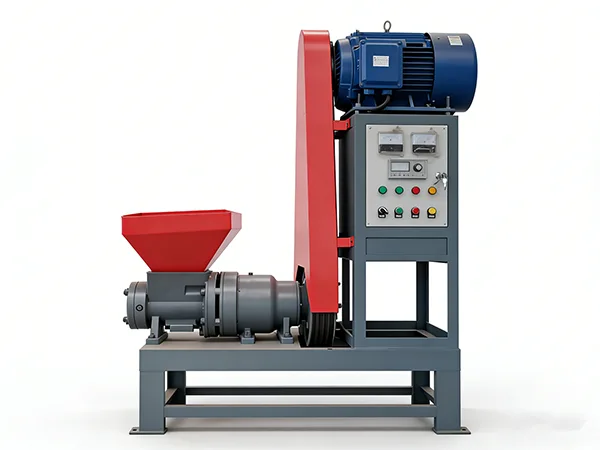
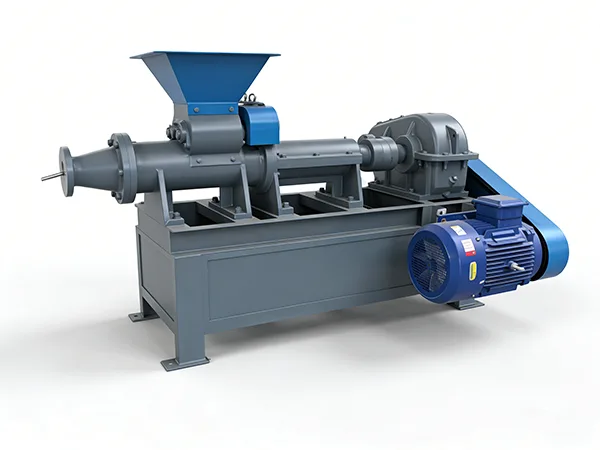
Selling charcoal briquettes overseas is a wonderful opportunity. But supplying the charcoal briquette machines for export markets that make those briquettes? That’s a completely different game. If you are a manufacturer or a distributor looking to export briquette presses, carbonizers, or complete production lines, you cannot simply ship the same machine you sell locally. International buyers have stricter requirements: certifications, voltage compatibility, freight logistics, after‑sales support, and ever‑changing environmental regulations.
In this guide, I will walk you through what real export buyers look for, how to avoid costly mistakes, and how to position your equipment to win overseas contracts. I have learned many of these lessons the hard way — so you do not have to.
Why Export Markets Demand Different Briquette Machines
Let us start with a basic truth: a charcoal briquette machine that works perfectly in a village workshop may be rejected at a European port. Why? Because export markets care about consistency, safety, documentation, and long‑term support more than the initial price.
A buyer in the United States, Europe, or the Middle East is not just buying a machine. They are buying a production solution that must run for years without unexpected downtime. They need to know that replacement dies, screws, and bearings are available locally or via express freight. They need wiring diagrams in their language and a control panel that matches their local voltage (110V/60Hz, 220V/50Hz, 415V/50Hz, etc.).
Moreover, many developed countries require CE certification for electrical and mechanical safety. Some also demand compliance with environmental standards (e.g., dust emission limits, noise levels). If your machine lacks these, customs may block it outright.
Real Export Buyer Personas: Who Are You Selling To?
To choose the right export quality charcoal machine, you must understand your customer. Based on hundreds of inquiries, I see three main buyer types:
1. The Start‑up Exporter
This buyer already makes charcoal briquettes for the local market and now wants to export. They need a medium‑scale briquette line (500–1,500 kg/hour) that produces consistent, high‑density briquettes. Their top concerns are: power supply compatibility, spare parts availability, and training. They often ask for a video test before ordering.
2. The Established Biomass Fuel Supplier
These buyers have existing contracts with European or Asian power plants. They need large‑scale, continuous briquette lines (2–5+ tons/hour) with automated drying, carbonization, and packaging. They care about low energy consumption, high uptime, and remote monitoring capabilities. They will almost always demand a factory visit and a trial run.
3. The Government or NGO Project
These buyers are funded by development banks or environmental programs. They need turnkey solutions that include installation, operator training, and a multi‑year spare parts contract. Paperwork and compliance matter more than price. They often require ISO and CE certifications.
Each buyer type needs a different biomass briquette machine for export. Trying to sell a basic manual press to a government project will waste everyone‘s time.
Critical Features for Export‑Ready Briquette Machines
Based on what I have seen succeed (and fail) in real export shipments, here are the non‑negotiable features your charcoal briquette machines for export markets must have.
1. International Certifications (CE, ISO, etc.)
Without CE marking, you cannot legally sell in the European Union. Without local electrical approval, your machine may be stopped at the port in Australia or Canada. Work with a manufacturer that provides CE‑certified charcoal briquette press models and can supply declaration of conformity documents.
2. Multi‑Voltage and Multi‑Frequency Compatibility
A machine built for 380V/50Hz will not work on 415V/50Hz or 480V/60Hz without modifications. Export‑ready suppliers offer switchable voltage motors or built‑in transformers. Always confirm the buyer‘s local electrical standard before quoting.
3. Robust Packaging for Ocean Freight
Ocean freight is brutal. Moisture, salt air, and rough handling can destroy a poorly packed machine. Export‑grade equipment should be shipped in rust‑preventive coating, stretch‑wrapped, and secured in a wooden crate with fumigation certificate (ISPM‑15). I have seen beautiful machines arrive as a pile of rust because the supplier used cheap tarpaulin.
4. Comprehensive Documentation
Buyers need:
-
Operating and maintenance manuals in English (or their local language)
-
Electrical schematics
-
Spare parts list with part numbers
-
CE declaration of conformity
-
Commercial invoice and packing list
Missing documents cause customs delays that can cost thousands in demurrage fees.
5. After‑Sales Support Network
Overseas buyers fear being stranded with a broken machine. To compete, you need a global support strategy. This can be:
-
A local agent or distributor who stocks parts
-
A remote troubleshooting hotline (WhatsApp, WeChat, Zoom)
-
A consignment of critical spare parts shipped with the machine
Many smart exporters now partner with manufacturers like Henan Manto Machinery Equipment Co., Ltd., which has a dedicated export team and a network of service agents in Southeast Asia, Africa, and South America. That gives buyers confidence to sign the purchase order.
How to Match Machine Size to Export Demand
Oversizing an export shipment is expensive; undersizing loses future orders. Here is a rule of thumb based on real freight data:
| Target Export Volume (per month) | Recommended Machine Capacity | Typical FOB Price Range |
|---|---|---|
| 10–30 tons | 100–300 kg/hour | $8,000 – $18,000 |
| 30–100 tons | 300–800 kg/hour | $18,000 – $35,000 |
| 100–300 tons | 800–2,000 kg/hour | $35,000 – $70,000 |
| 300+ tons | 2,000–5,000 kg/hour | $70,000 – $200,000+ |
A medium‑sized coconut shell briquette machine for export (300–500 kg/hour) can fill a 20‑foot container, making ocean freight economical. Larger lines may require 40‑foot containers or break‑bulk shipping.
Documentation and Logistics: The Hidden Half of Export
Even the perfect machine will never leave the port if your paperwork is wrong. Here is a checklist I give to every export buyer:
-
Proforma Invoice – Clear description, HS code (e.g., 8479.20 for briquette presses), weight, dimensions.
-
Packing List – Shows how the machine is packed inside the container.
-
Bill of Lading – The shipping contract. Usually “FOB” or “CIF” terms.
-
Certificate of Origin – Needed for some trade agreements (e.g., China‑ASEAN FTA).
-
CE Declaration of Conformity – Required for EU buyers.
-
ISO 9001 Certificate (if available) – Builds trust.
-
Photos and Video – Showing the machine loaded and secured.
One common mistake: not checking the buyer‘s import duties. Some countries have high tariffs on industrial charcoal equipment. The buyer may prefer a lower declared value (be careful not to violate customs laws) or choose a different HS code classification.
Real Export Success Story (And What Went Wrong)
Let me tell you about a customer in Nigeria. He bought a low‑cost briquette press from a no‑name Alibaba seller. The price was unbeatable — only $4,000 for a 200 kg/hour machine. But when it arrived, the motor was 380V/50Hz (Nigeria uses 415V/50Hz). The knives were soft steel that dulled after two hours. And the seller disappeared when he asked for spare parts.
He lost $4,000 plus $2,500 in shipping and customs. Eventually, he bought a CE‑certified charcoal briquette press from a reputable manufacturer — paying more upfront but receiving a machine with hardened screws, a step‑up transformer included, and a one‑year warranty. He told me, “Cheap is expensive.”
That manufacturer? Henan Manto Machinery. They not only provided the right machine but also shipped a spare parts kit and gave him a video training session. His second machine has been running for two years without a major breakdown.
Common Pitfalls When Exporting Charcoal Briquette Machines
Avoid these mistakes to build a reputation as a reliable exporter:
-
Not testing the machine with the buyer‘s material – Run a video test using their specific charcoal fines or sawdust. Show the briquettes being made, weighed, and burned.
-
Ignoring moisture requirements – Wet feedstock destroys output. Always recommend a dryer if the buyer‘s material exceeds 12% moisture.
-
Underestimating shipping time – Sea freight to Africa or South America can take 60–90 days. Build that into your delivery commitment.
-
No spare parts strategy – Ship common wear parts (knives, dies, belts) with the initial order. It builds trust and prevents frustrated buyers.
Conclusion: Build Your Export Business the Right Way
Selling charcoal briquette machines for export markets is not just about moving boxes. It is about building a partnership with international buyers who need reliable equipment, clear documentation, and responsive support.
If you are a manufacturer, invest in certifications, train your export team, and partner with freight forwarders who understand hazardous goods (wood dust can be flammable). If you are a buyer, never choose a machine based on price alone. Ask for CE marking, a spare parts list, and references from other exporters.
Companies like Henan Manto Machinery have shown that it is possible to combine competitive pricing with genuine export‑grade quality. Their export quality charcoal machine line is built with international standards in mind: multi‑voltage motors, hardened wear parts, and comprehensive documentation.
The global market for charcoal briquettes is growing fast — driven by rising barbecue culture, the shift away from fossil fuels, and demand for sustainable cooking fuel. By supplying the right biomass briquette machine for export, you can ride that wave. Just remember: your reputation as an exporter starts with the first container. Make it count.