Skip to content
Have you ever looked at a pile of sawdust and thought, “There has to be a better use for this than sweeping it up and throwing it away”? You’re right. Across the globe, millions of tons of wood processing waste — sawdust, wood chips, shavings — are landfilled or burned as low-value fuel every year. But a modern high capacity sawdust charcoal machine can transform that waste into premium charcoal for barbecue, shisha, and industrial fuel.
I’ve talked to dozens of woodworkers, sawmill owners, and entrepreneurs who started with a small briquette press and quickly realized they needed more output to meet growing demand. In this guide, I’ll walk you through what a high‑capacity machine can do, how to choose the right one, real‑world costs, and why upgrading your operation makes better business sense than you might think.
What Is a High Capacity Sawdust Charcoal Machine?
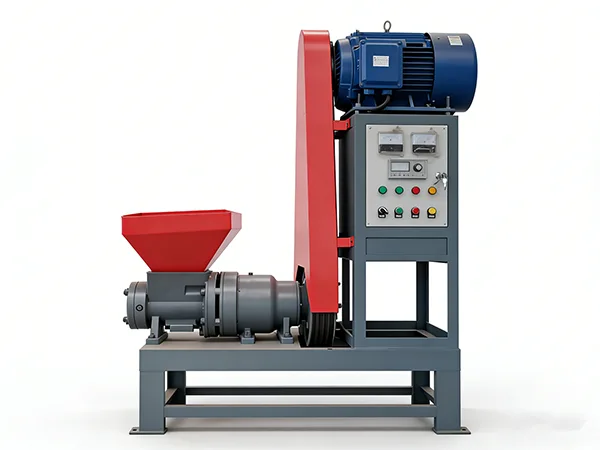
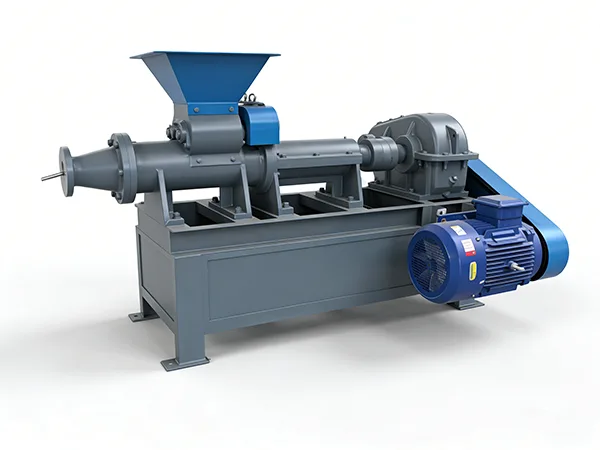
A high capacity sawdust charcoal machine is an industrial system that converts raw wood waste into charcoal at large volumes — typically 1 ton per hour or more. Unlike small home‑scale units that produce a few hundred kilograms per day, high‑capacity systems are designed for 24/7 continuous operation, processing sawdust, wood chips, and other biomass into charcoal briquettes, carbonized logs, or biochar.
The process has two main stages:
-
Briquetting/extrusion – Raw, dried sawdust is compressed under high pressure into dense rods or logs. The natural lignin in the wood acts as a binder, so no chemicals are needed.
-
Carbonization – The compressed briquettes are placed in a furnace and heated in a low‑oxygen environment to produce solid charcoal.
The best continuous carbonization furnace systems recycle the combustible gases released during carbonization, using them to fuel the furnace. This closed‑loop design cuts external energy costs by 30–50% and makes the process cleaner and more profitable.
How Much Output Can You Expect?
Output capacity is the single biggest difference between small and high‑capacity machines. Here’s how production scales:
| Machine Size | Hourly Output | Daily Output (8 hrs) | Best For |
|---|---|---|---|
| Small | 50–200 kg | 0.4–1.6 tons | Individual entrepreneurs, family workshops |
| Medium | 200–500 kg | 1.6–4 tons | Small processing plants |
| Large | 500–1,000+ kg | 4–8+ tons | Commercial fuel plants |
| High capacity | 1,000–3,000+ kg | 8–24+ tons | Large‑scale industrial operations |
Large‑scale machines (over 2 tons per hour) are priced around 150,000–300,000 RMB and require automated feeding and cooling systems, typically integrated into a complete carbonization line. Larger models with over 3 tons per hour capacity suit projects with a daily raw material supply exceeding 50 tons.
Some industrial machines, such as those capable of producing 6,000 tons of biochar per year, also sequester approximately 12,000 tons of CO₂ annually, providing potential access to carbon credit markets.
Why Upgrade to High Capacity?
If your current operation is still using a small batch kiln, you‘re leaving money on the table. Here’s why upgrading to a large scale sawdust charcoal machine makes business sense.
Lower Cost Per Ton
Small machines have higher labor and energy costs per unit of output. A high‑capacity system can dramatically reduce your cost per ton, turning a modest side business into a profitable commercial venture.
Consistent Quality for Premium Markets
Buyers of barbecue and shisha charcoal demand consistent size, density, and burn time. High‑capacity extruders with precise temperature and pressure control produce uniform briquettes every batch. For high‑end markets, a high‑pressure model (25–30 MPa) ensures briquette density ≥ 1.2 g/cm³, which prevents deformation during carbonization and results in a longer‑burning product.
Continuous Operation
A batch kiln requires manual loading and unloading and cooling time between runs. A continuous carbonization system feeds sawdust in one end and discharges finished charcoal at the other, 24/7. That means more output with less downtime.
Revenue from Syngas Recycling
The gases released during carbonization — methane, hydrogen, and carbon monoxide — are valuable fuels. Capturing and burning them back into the furnace reduces or eliminates external fuel costs. The advanced technology of recovering, purifying, and circulating combustible gases is a standard feature of industrial‑grade carbonization equipment.
How to Choose the Right High Capacity Machine
Not all high‑capacity systems are built the same. Based on what I’ve learned from real‑world buyers, here are the features that matter most.
1. Output Capacity vs Your Raw Material Supply
Before investing, calculate how much dry sawdust you can reliably source per week. A machine that processes 2 tons per hour is useless if you only have 10 tons of raw material per day. Match your equipment to your feedstock, not the other way around. For reference, a large‑sized machine (over 3 tons per hour) is best suited for projects with a daily raw material supply exceeding 50 tons.
2. Feedstock Compatibility
Sawdust varies. Fresh from a sawmill, it‘s relatively dry and fibrous — easy to compress. Mixed bark or fine sawdust may contain less lignin and require a reinforced briquette machine with increased pressure (25–30 MPa) and optimized mold structure to prevent loose briquettes. For low‑fiber, high‑abrasion materials like straw or rice husks, look for a high‑chromium alloy screw shaft that improves wear resistance by more than 50% and choose a die orifice diameter of 20–30 mm to prevent blockage.
3. Build Quality and Wear Parts
The heart of any briquette machine is the screw shaft and mold. Cheap machines use ordinary steel parts that wear out in weeks. Prioritize 42CrMo forged steel or high‑chromium alloy components, which have a service life exceeding 5,000 hours, far surpassing ordinary steel components. If you’re processing large volumes, you need components that can last.
4. Syngas Recycling and Emissions Control
Don‘t buy a machine that vents carbonization gases directly into the atmosphere. Not only is that wasteful — it’s illegal in many countries. Look for a system with a gas recycling loop and exhaust gas treatment. A good machine will include cyclone dust collectors, water scrubbers, and a gas purification system. If you’re in a regulated market, check whether the equipment meets CE or local environmental certification standards. Some advanced systems even meet Puro.earth and EBC (European Biochar Certificate) standards, opening access to global carbon removal markets.
5. After‑Sales Support and Spare Parts
When a high‑capacity machine goes down, it’s expensive. Ask your supplier about local spare parts availability, warranty terms, and technician support. Henan Manto Machinery Equipment Co., Ltd., for example, has a strong reputation among international buyers, with installations in over 40 countries.
Real‑World Economics: Costs, Profits, and Payback
Let‘s talk actual numbers. These are based on real market data from 2026.
Equipment Investment
-
Small system (50–200 kg/hour): $2,000 – $10,000
-
Medium system (200–500 kg/hour): $10,000 – $20,000
-
High‑capacity system (1+ tons/hour): $20,000 – $40,000
-
Industrial line (2–3+ tons/hour, fully automated): $40,000 – $100,000+
Operating Costs vs Selling Price
Based on current market data, the cost to produce a ton of charcoal briquettes is approximately 800–1,200 RMB (roughly $110–$165 USD), including raw materials, labor, and energy. The selling price ranges from 1,800–2,500 RMB per ton ($250–$345 USD), yielding a net profit of around 1,000 RMB per ton ($140 USD).
Premium charcoal, such as high‑density shisha charcoal, can sell for 3,000–5,000 RMB per ton ($415–$690 USD) — more than double the price of ordinary fuel rods.
Payback Period
With daily net profits of 800–1,600 RMB ($110–$220 USD) for small to medium equipment, payback can be as short as 2–6 months. Even for a medium‑sized plant processing 5–20 tons of sawdust per day, payback is typically 6–12 months. For large‑scale automated lines, ROI is usually under 18 months with consistent operation.
A Quick Case Study: From Sawmill Waste to Premium Fuel
I spoke with a furniture manufacturer in Vietnam who was paying to haul away 15 tons of sawdust and offcuts every month. After installing a continuous carbonization system, he now produces 8 tons of high‑density shisha charcoal per month. His disposal cost disappeared, and his monthly revenue from charcoal sales covers more than half of his electricity bill. The machine paid for itself in seven months.
Stories like this are common when you match the right industrial sawdust charcoal equipment to your available feedstock and target market.
Common Mistakes to Avoid
Even with the best intentions, buyers often stumble. Here’s what to watch for:
-
Buying on price alone – The cheapest machine often uses soft, untreated steel components that wear out quickly. You‘ll spend more on downtime and replacement parts than you saved on the purchase.
-
Ignoring moisture content – Sawdust with over 12% moisture will carbonize poorly and waste energy. High‑capacity lines should include a pre‑dryer unless you’re certain your input is dry.
-
No testing phase – Always ask the supplier to test your actual sawdust on their machine. Fibre content and moisture vary dramatically by species and source.
-
Underestimating space and power requirements – A high‑capacity machine needs 100–500 kW of power, plus space for drying and cooling conveyors. Plan your facility before ordering.
Conclusion
A high capacity sawdust charcoal machine is one of the fastest ways to turn a waste problem into a profit center. Whether you‘re a sawmill owner, a woodshop operator, or an entrepreneur looking to enter the biomass fuel market, the right equipment can transform your financial picture.
Start by auditing your available sawdust volume and moisture level. Then match that to a machine with the appropriate capacity and build quality. Don’t skip the testing phase, and invest in a supplier with proven after‑sales support. With payback periods measured in months, not years, upgrading your charcoal operation is one of the smartest moves you can make in today‘s renewable energy economy.