Skip to content
If you run a sawmill, a woodworking shop, or any business that generates sawdust and wood waste, you’ve probably asked yourself the same question: “How do I stop paying to get rid of this stuff and start making money from it instead?” The answer is simpler than you might think. A sawdust charcoal briquette line for sale can transform your waste wood into high-demand charcoal briquettes — fuel that sells for barbecues, hookah lounges, and industrial heating.
I’ve spoken with dozens of business owners who made the leap from paying for disposal to selling premium briquettes. The numbers tell a compelling story. In this guide, I’ll walk you through what a complete production line includes, how much it costs, what you can earn, and how to choose the right equipment for your operation.
What Is a Sawdust Charcoal Briquette Production Line?
A sawdust briquette production line is a series of machines that convert raw sawdust and wood waste into finished charcoal briquettes. The process typically involves four main stages: crushing, drying, briquetting, and carbonization.
Stage 1: Crushing
Raw wood waste — branches, offcuts, or large wood chips — must first be reduced to sawdust or powder. A wood crusher or hammer mill breaks the material down to a consistent size, typically under 10 mm, ensuring smooth feeding into the next stage.
Stage 2: Drying
Sawdust with high moisture content (above 15%) will not briquette properly and wastes energy during carbonization. A rotary dryer reduces moisture to the ideal range of 8–12%. This step is critical for consistent briquette quality and efficient carbonization.
Stage 3: Briquetting
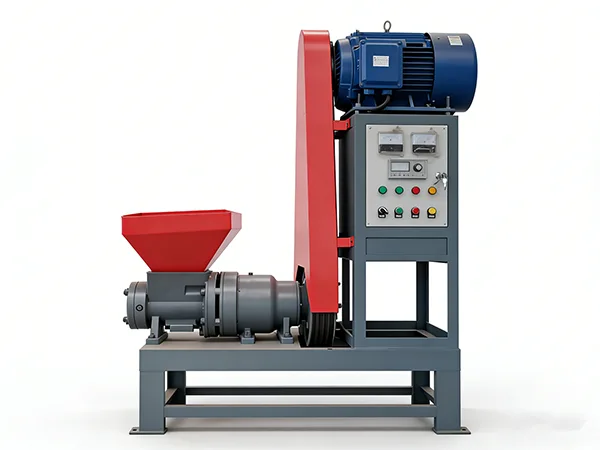
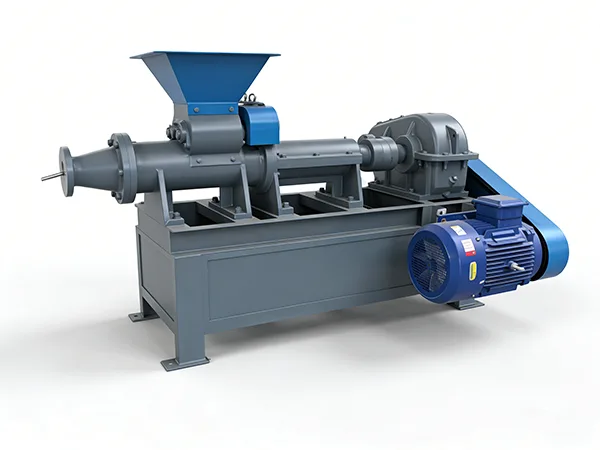
This is the heart of the line. A sawdust briquette machine compresses the dried sawdust under high pressure and temperature (260–380°C). The natural lignin in the wood acts as a binder, so no chemicals are needed. The output is dense, uniform briquettes — often hollow hexagonal or cylindrical sticks — with a density of up to 1,400 kg/m³ and a calorific value of 4,000–4,500 Kcal.
Stage 4: Carbonization
The briquettes are then placed in a carbonization furnace and heated in a low-oxygen environment. A continuous carbonization furnace can run 24/7, with the combustible gases released during carbonization recycled to fuel the furnace. This closed-loop design cuts external fuel costs by 30–50% and makes the process cleaner and more profitable.
What Capacities Are Available?
Production lines come in a wide range of sizes to match different business scales:
| Line Size | Hourly Output | Daily Output (8 hrs) | Best For |
|---|---|---|---|
| Small | 100–300 kg | 0.8–2.4 tons | Startups, workshops, testing the market |
| Medium | 300–800 kg | 2.4–6.4 tons | Growing businesses, local supply |
| Large | 800–2,000+ kg | 6.4–16+ tons | Commercial production, export markets |
| Industrial | 2,000–5,000 kg | 16–40+ tons | Large-scale operations |
A medium-sized line processing 500 kg/hour can fill a 20-foot container, making ocean freight economical for export buyers. Smaller lines are often shipped as knock-down kits for easy assembly on-site.
How Much Does a Sawdust Charcoal Briquette Line Cost?
Prices vary widely based on capacity, automation level, and whether you buy individual machines or a complete turnkey line.
| Line Type | Typical Price Range |
|---|---|
| Small semi-manual line | $1,500 – $25,000 |
| Medium automatic line | $25,000 – $60,000 |
| Large industrial line | $60,000 – $150,000+ |
| Complete turnkey plant | $100,000 – $300,000+ |
A single sawdust briquette machine can cost as little as a few thousand dollars, while a full production line with drying, briquetting, carbonization, and packaging costs significantly more. The investment is higher, but so is the return.
Profit Potential: What Can You Earn?
Let’s run the numbers based on real market data.
Production Costs
Total production cost for briquettes typically ranges from $50–$80 per ton, including raw materials (often free or very low cost), labor, electricity, and depreciation.
Selling Prices
-
Standard charcoal briquettes: $200–$400 per ton
-
Premium hookah charcoal: $300–$600 per ton
-
Activated carbon precursor: $500–$1,000+ per ton
Example ROI Calculation
A medium line producing 500 kg/hour runs 8 hours/day, 25 days/month. That’s 100 tons per month.
-
Monthly revenue (at $300/ton): $30,000
-
Monthly production cost (at $65/ton): $6,500
-
Monthly gross profit: $23,500
-
Equipment investment: $50,000
-
Payback period: 2–3 months
Studies confirm the strong profitability of sawdust briquette production, with one feasibility analysis showing an IRR of 86.50% and a payback period of just 1.2 years. Even for smaller operations, ROI can often be achieved within 6 to 18 months.
What to Look for When Buying
Not all charcoal briquette making machines are created equal. Based on what I’ve learned from real buyers, here are the features that matter most.
1. Build Quality and Wear Parts
The screw shaft and mold are the heart of any briquette machine. Cheap machines use ordinary steel that wears out in weeks. Look for hardened alloy components that can last thousands of hours. Henan Manto Machinery Equipment Co., Ltd. uses high-grade materials and offers a one-year warranty on major components.
2. Energy Efficiency
A line that recycles syngas from the carbonization furnace can cut external fuel costs by 30–50%. Over a year, that’s thousands of dollars saved. Ask about the total power consumption (kW per ton) before you buy.
3. Automation Level
Semi-manual lines require more labor but have lower upfront costs. Fully automatic lines with PLC controls need only 1–2 operators and can run 24/7. Choose based on your labor costs and production targets.
4. After-Sales Support
You will need spare parts. Does the supplier have a warehouse in your region? Are they responsive on WhatsApp or email? Henan Manto Machinery has a dedicated export team and a network of service agents in Southeast Asia, Africa, and South America, giving buyers confidence to invest.
5. Test Before You Buy
Always ask the supplier to test your actual sawdust on their line. Moisture content and fiber composition vary by wood species. A video test showing your material being processed is non-negotiable.
Common Mistakes to Avoid
-
Buying on price alone – The cheapest line often uses soft steel components that wear out quickly. You’ll spend more on downtime and replacements than you saved.
-
Skipping the dryer – Sawdust above 15% moisture will not briquette properly and wastes energy during carbonization.
-
No spare parts strategy – A broken screw or die can shut you down for weeks. Order a spare parts kit with your initial purchase.
-
Underestimating space and power – A medium line needs 100–200 kW of power and significant floor space for conveyors and drying. Plan your facility before ordering.
Real-World Success Story
A furniture manufacturer in Vietnam was paying to haul away 15 tons of sawdust and offcuts every month. After installing a complete sawdust charcoal briquette production line from Henan Manto Machinery Equipment Co., Ltd. , they now produce 8 tons of high-density shisha charcoal per month. Their disposal cost disappeared, and their monthly revenue from charcoal sales covers more than half of their electricity bill. The line paid for itself in seven months.
Conclusion
A sawdust charcoal briquette line for sale is one of the fastest ways to turn a waste problem into a profit center. Whether you’re a sawmill owner, a woodshop operator, or an entrepreneur looking to enter the biomass fuel market, the right equipment can transform your financial picture.
Start by auditing your available sawdust volume and moisture level. Match that to a line with the right capacity and build quality. Don’t skip the testing phase, and invest in a supplier with proven after-sales support. With payback periods measured in months, not years, a sawdust briquette line is one of the smartest investments you can make in today’s renewable energy economy.
Henan Manto Machinery Equipment Co., Ltd. has helped businesses across the world make that transition. Their equipment is engineered for heavy continuous use, backed by spare parts support, and priced to deliver a rapid return on investment. If you’re ready to turn your sawdust from an expense into an asset, it’s time to take a serious look at a charcoal briquette line. The profit is waiting.