Skip to content
Have you ever looked at a pile of wood waste – sawdust, wood chips, charcoal fines – and thought, “There’s got to be a way to turn this into money”? You’re absolutely right. A wood charcoal briquette press for small business can transform low‑value residues into high‑demand briquettes for barbecues, hookah lounges, and even industrial heating. The global charcoal briquette market is growing at over 8% per year, and small businesses are perfectly positioned to capture local demand.
I’ve talked to dozens of entrepreneurs who started with a simple briquette press in their garage or backyard. Some now supply restaurants, grocery stores, or export to neighboring countries. In this guide, I’ll walk you through everything you need to know: machine options, startup costs, raw materials, common mistakes, and how to choose the right press for your small business.
Why a Small Briquette Business Makes Sense Right Now
Let’s be real. Big factories are not going after local mom‑and‑pop customers. They focus on massive shipping containers destined for supermarkets or international buyers. That leaves a huge gap: restaurants, butcher shops, hotels, local BBQ stands, and even households that want affordable, clean‑burning charcoal. A small charcoal briquette machine lets you serve those customers with lower overhead and faster turnaround.
Plus, raw materials are often cheap or free. Sawmills give away sawdust. Landfills pay to dump wood waste. You can source charcoal fines from existing producers who don’t know how to recycle them. Your main cost becomes labor, binder (like starch or cassava flour), and the briquette press itself.
What Is a Wood Charcoal Briquette Press?
A wood charcoal briquette press compresses loose charcoal dust, sawdust, or other biomass into dense, uniform blocks or logs. The pressure and sometimes heat make the particles stick together without needing chemical binders (or with very little). There are three main types for small businesses:
1. Manual Briquette Press
-
How it works: A lever or screw mechanism compresses the material by hand.
-
Output: 50–200 briquettes per hour.
-
Cost: 200–1,000.
-
Best for: Very small startups, testing the market, or part‑time hobby businesses.
2. Hydraulic Briquette Press (Small Scale)
-
How it works: A hydraulic cylinder applies tons of pressure through a control unit.
-
Output: 200–800 briquettes per hour.
-
Cost: 2,000–8,000.
-
Best for: Serious home‑based businesses or small workshops.
3. Screw‑Type Briquette Machine (Small Commercial)
-
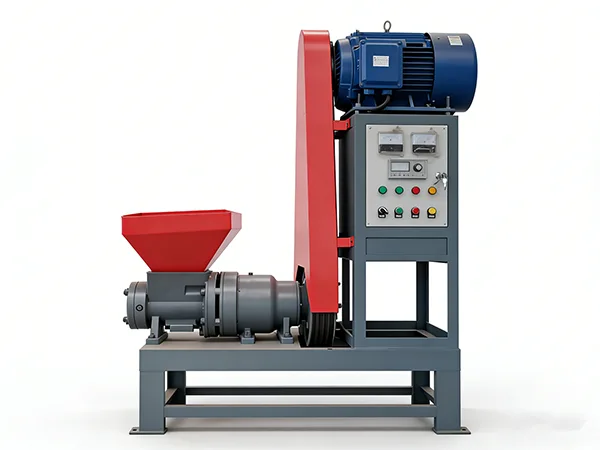
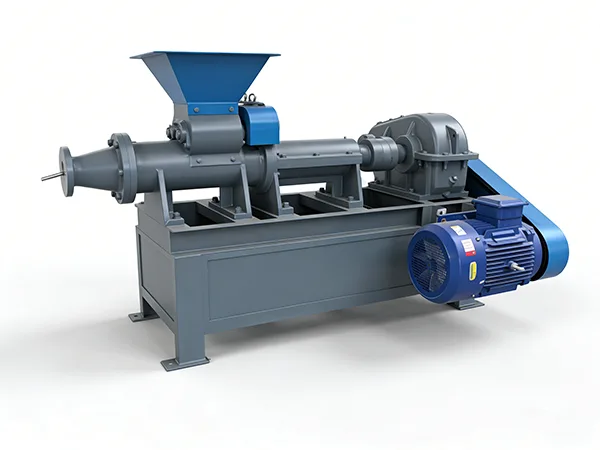
How it works: A motor‑driven screw compresses and extrudes briquettes continuously.
-
Output: 200–600 kg per hour.
-
Cost: 6,000–15,000.
-
Best for: Growing businesses ready to supply multiple regular customers.
Many successful small business owners start with a manual or small hydraulic press, then upgrade once they have steady orders. Henan Manto Machinery Equipment Co., Ltd. offers a range of presses specifically designed for small‑scale producers, with options for manual, hydraulic, and screw‑type systems.
Step‑by‑Step: How to Make Charcoal Briquettes for Sale
Here’s a simple workflow that works for most small businesses:
Step 1 – Source Your Raw Material
-
Charcoal fines/dust – Collect from existing charcoal makers or your own production.
-
Wood waste – Sawdust, wood chips, or rice husks can be carbonized first.
-
Binder – Corn starch, cassava flour, or clay. Usually 5–10% of the mix.
-
Water – Adds moisture to help binding.
Step 2 – Crush and Screen
If you use charcoal lumps, you need a crusher or hammer mill to make fine powder (under 3 mm). Many small charcoal briquette machine kits include a small crusher.
Step 3 – Mix with Binder and Water
Combine the charcoal powder with binder and enough water to get a dough‑like consistency. Too dry = briquettes crumble. Too wet = they won’t hold shape.
Step 4 – Press into Shape
Load the mixture into your wood charcoal briquette press for small business. Different dies produce different shapes: hexagon, round, pillow, or log. For barbecues, pillow shapes are popular. For hookah, smaller cylindrical briquettes.
Step 5 – Drying
Fresh briquettes contain moisture. Sun drying takes 1–3 days (cheap but weather‑dependent). An oven or drying rack with airflow can speed it up.
Step 6 – Packaging and Selling
Bag your briquettes in branded plastic or paper bags. Weigh them into 1 kg, 2 kg, or 5 kg sizes. Sell to local BBQ shops, grocery stores, online marketplaces, or directly to consumers.
What Customers Are Searching For (And How to Give It to Them)
People looking for a wood charcoal briquette press for small business often have these questions. I’ll answer them here:
“How much money can I make?”
Let’s run rough numbers. Suppose you buy a small hydraulic press for 3,000.Yourrawcharcoaldustcosts50 per ton (or less). Binder adds 20perton.Labor30 per day. You produce 300 kg of briquettes per day. Sell at 0.50perkg(wholesale)to1.00 per kg (retail). That’s 150–300 daily revenue. Subtract 30formaterialsandlabor=120–$270 net per day. Even half that makes a decent living in many regions. Payback on the press: 2–6 months.
“Do I need special training?”
No. Anyone with basic mechanical sense can learn in a week. Suppliers like Henan Manto Machinery provide manuals and video training. Some even offer on‑site setup for an extra fee.
“What’s the hardest part?”
Drying. If you rely on sun drying and it rains for a week, you lose production. Invest in a simple drying oven or a covered greenhouse.
Common Mistakes Small Business Owners Make (Avoid These!)
Mistake #1 – Buying the Cheapest Press on Alibaba
I’ve seen people spend $400 on a manual press that breaks after 100 briquettes. The steel bends, the die cracks, and the seller disappears. Spend a little more for a reputable briquette machine for home business from a manufacturer with real support.
Mistake #2 – Ignoring Binder Quality
Too much binder makes briquettes smoky or expensive. Too little makes them fall apart. Test different ratios (5%, 7%, 10%) with your specific charcoal dust.
Mistake #3 – Not Testing the Market First
Before buying a press, make a few dozen briquettes by hand (or rent a small press). Give samples to local BBQ restaurants. Ask them: “Would you buy these at $0.60 per kg? How many kg per week?” Only invest when you have verbal commitments.
Mistake #4 – Poor Drying
Wet briquettes mold, break apart, and burn poorly. Always measure moisture content (under 10% is ideal). A $20 moisture meter is a great investment.
Choosing the Right Press for Your Small Business
Here’s a decision flow based on your budget and goals:
| If your budget is… | And you plan to… | Then get… |
|---|---|---|
| Under $1,000 | Sell 50–100 kg/week on weekends | Manual screw press |
| 1,000–5,000 | Sell 200–500 kg/week as main income | Small hydraulic press (4–10 ton) |
| 5,000–15,000 | Sell 500–2,000 kg/week with employees | Screw‑type extruder press |
Henan Manto Machinery Equipment Co., Ltd. has models in all three ranges. Their mini briquette press line is particularly popular among first‑time buyers because it’s simple to operate, uses standard 110V/220V power, and comes with a one‑year warranty.
How to Scale from Hobby to Real Business
Once you’ve proven your briquettes sell, consider these growth steps:
-
Add a carbonizer – Make your own charcoal from wood waste instead of buying charcoal dust. This cuts input costs dramatically.
-
Upgrade your press – A faster machine means more output without extra labor.
-
Hire helpers – Train one or two people to handle production while you focus on sales.
-
Get certified – In Europe or North America, “natural” or “organic” certifications can double your price.
-
Sell online – Create a simple website or use Facebook Marketplace to reach customers beyond your town.
Many of today’s successful charcoal briquette suppliers started exactly this way. A garage, a small press, and a dream.
Real‑Life Example: Maria’s Briquette Business in the Philippines
Maria had a small charcoal stall in her village. She noticed that people preferred uniform briquettes over irregular lump charcoal. With savings of $1,500, she bought a manual wood charcoal briquette press for small business from a local distributor (who sourced from Henan Manto Machinery). She used sawdust from a nearby furniture factory, carbonized it in a simple drum kiln, then pressed and sun‑dried her briquettes.
Within three months, she was supplying two restaurants and a supermarket. She upgraded to a small hydraulic press, hired her neighbor, and now sells 800 kg per week. Her advice: “Start small, test everything, and don’t be afraid to ask customers what they want.”
Final Checklist Before You Buy
-
Talk to at least 10 potential local buyers (restaurants, stores, BBQ stands).
-
Make test briquettes with your available charcoal waste.
-
Get quotes from at least three suppliers (including one reputable Chinese manufacturer like Henan Manto Machinery).
-
Ask about spare parts availability (dies, seals, hydraulic hoses).
-
Calculate shipping cost to your city (sea freight is cheap but slow).
-
Plan your drying space – sun or mechanical?
-
Decide on briquette shape and size (pillow, log, hexagon).
Conclusion
A wood charcoal briquette press for small business is one of the most accessible manufacturing opportunities today. The raw materials are often waste, the technology is proven, and the demand is growing everywhere. You don’t need a factory or a huge loan. With a few thousand dollars and a reliable press, you can turn charcoal dust and wood scraps into a profitable local business.
Take the time to research, test your market, and choose a press that fits both your budget and your growth plan. And remember: your first customer is just one sample bag away.