Skip to content
Let me paint you a picture. You’ve been making charcoal briquettes manually or with a semi‑automatic machine. You work long hours, your back hurts, and your output is limited. Every time you get a big order, you panic because you can’t produce enough fast enough. Sound familiar? If yes, it’s time to look at an automatic charcoal briquette production line.
I’ve talked to dozens of small and medium producers over the years. The ones who grew from a garage operation to a real factory all made the same move: they automated. In this article, I’ll walk you through what an automatic briquette line includes, how much it costs, how much you can earn, and what to look for when buying. No jargon, just practical advice from someone who’s seen it work.
What Is an Automatic Charcoal Briquette Production Line?
Think of it as a conveyor belt of efficiency. An automatic charcoal briquette production line takes raw charcoal powder (from coconut shells, sawdust, or other biomass) and turns it into finished briquettes with minimal human intervention. The line typically includes:
-
Automatic feeding hopper – No more shoveling by hand.
-
Screw conveyor – Moves material between stages.
-
Mixing unit – Blends charcoal powder with binder and water.
-
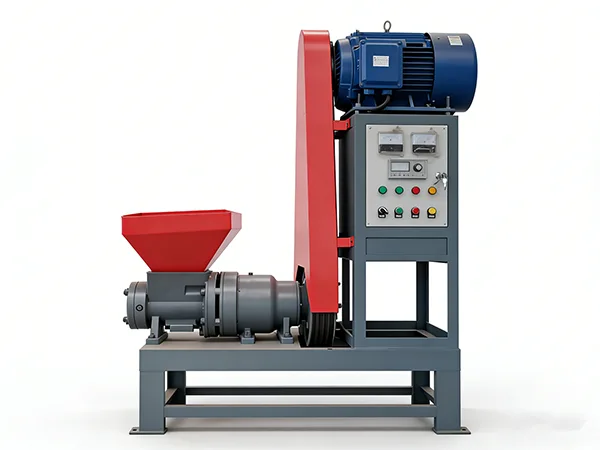
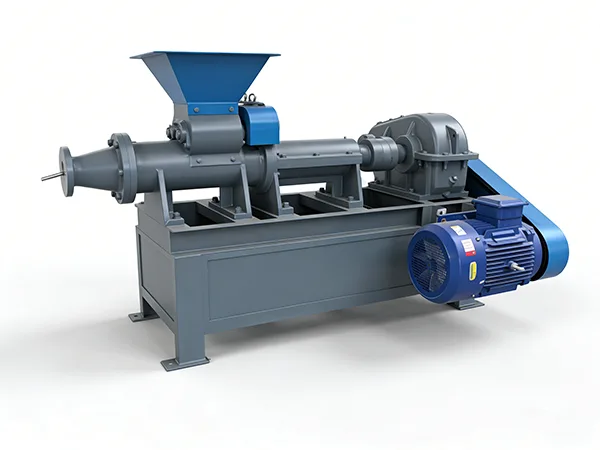
Briquette press – The heart of the line. Could be a screw‑type or hydraulic press.
-
Automatic cutting and shaping – Cuts the extruded briquettes to uniform length.
-
Drying oven or conveyor dryer – Removes moisture for a hard, long‑burning product.
-
Packaging machine (optional) – Weighs and bags the finished briquettes.
Some lines also include a carbonization furnace if you’re starting from raw biomass. But most buyers of a charcoal briquette manufacturing plant already have a source of charcoal fines or dust.
Why Go Automatic? 5 Big Benefits
1. Higher Output – Way Higher
A manual press might give you 200 briquettes per hour. A semi‑automatic maybe 500. An automatic charcoal briquette production line can produce 2,000 to 20,000 briquettes per hour, depending on the model. That’s the difference between serving your neighborhood and supplying a whole region.
2. Lower Labor Costs
With automation, you need 1–2 people to monitor the line instead of 10 people shoveling, mixing, and pressing. Labor is often the biggest ongoing expense. Cut it, and your profit margin jumps.
3. Consistent Quality
Manual production leads to variation – different densities, different moisture levels, different shapes. An automatic line ensures every briquette is identical. Restaurants and export buyers love consistency.
4. 24/7 Operation
People get tired. Machines don’t. Once set up, a fully automatic briquette line can run day and night, only stopping for maintenance. That means you can fulfill large orders without overtime headaches.
5. Better Drying and Packaging Integration
Most beginners struggle with drying. An automatic line includes a continuous dryer that uses heat from the press or external burners. Briquettes go in wet and come out ready to sell. The packaging machine then bags them automatically – no more hand‑weighing.
What’s Inside a Typical Automatic Line?
Let me break down the components one by one so you understand what you’re buying.
1. Feeding System
A screw conveyor or belt feeder moves charcoal powder from a storage bin to the mixer. Some advanced lines include a magnet to catch metal debris that could damage the press.
2. Mixer
Dry charcoal powder doesn’t stick. You need to add binder (starch, cassava, or clay) and water. The mixer ensures a uniform dough‑like consistency. Automatic lines use a timer and sensor to get the ratio perfect every time.
3. Briquette Press (Extruder or Hydraulic)
This is where the magic happens. Most automatic lines use a screw‑type briquette press because it’s continuous and fast. The screw forces the material through a heated die, which hardens the surface. Hydraulic presses are also available for higher density briquettes but are usually slower.
Henan Manto Machinery Equipment Co., Ltd. offers both types. Their screw‑type extruders are popular for medium to large scale because they’re reliable and produce a beautiful pillow or log shape.
4. Automatic Cutter
As the briquette exits the die, a rotating blade cuts it to your preset length – usually 2–5 cm for barbecue briquettes, or longer for industrial fuel.
5. Drying System
This can be a mesh conveyor belt that passes through a heated tunnel. The temperature is carefully controlled (150–250°C) to remove moisture without burning the briquettes. Drying time is typically 20–60 minutes.
6. Packaging Machine (Optional but Recommended)
A vertical form‑fill‑seal machine weighs the briquettes and drops them into plastic or paper bags. The bag is sealed and ready for sale. Some systems even add a label with your brand.
How Much Does an Automatic Charcoal Briquette Production Line Cost?
Prices vary widely based on capacity, automation level, and whether you buy from a local distributor or direct from a Chinese manufacturer.
-
Small automatic line (200–500 kg/hour): 25,000–50,000
-
Medium automatic line (500–1,500 kg/hour): 50,000–120,000
-
Large automatic line (1.5–5 tons/hour): 120,000–300,000+
These prices include the main components but may exclude installation, training, and shipping. Always ask for a detailed quote.
Realistic ROI Calculation
Let’s take a medium line producing 1,000 kg of briquettes per hour. Run it 8 hours a day, 25 days a month. That’s 200,000 kg (200 tons) per month.
-
Raw charcoal dust cost: $80/ton (bought or made from waste)
-
Binder and electricity: $20/ton
-
Labor: 30/dayfor2operators=1,500/month
-
Total monthly cost: (200 tons × 100)+1,500 = $21,500
-
Selling price (wholesale): 300/ton=60,000 revenue
-
Monthly profit: $38,500
Payback on a $100,000 line? Less than 3 months. Of course, these numbers vary by country, but you get the idea – automatic lines pay for themselves fast if you have a market.
Common Applications and End Products
What can you make with an automatic charcoal briquette production line? Practically anything that burns clean and long:
-
Barbecue briquettes – Pillow shape, 25–30 mm diameter, popular in North America and Europe.
-
Hookah (shisha) briquettes – Small cubes or cylinders, very dense, low ash. These sell at a premium.
-
Industrial briquettes – Large logs or pucks for boilers and cement kilns.
-
Fire starter briquettes – Mixed with wax or other accelerants.
What to Look for When Buying
I’ve helped several friends purchase automatic lines. Here are the top mistakes to avoid and features to demand.
1. Die Quality
The die is the most expensive wearing part. Cheap dies crack after a few hundred hours. Look for hardened alloy steel (like 40Cr or D2). Henan Manto Machinery uses high‑grade steel that can last 2,000–3,000 hours between replacements.
2. Energy Efficiency
Ask about the total power consumption (kW per ton). Some lines use 80 kW/h per ton, others only 40 kW/h. Over a year, that’s thousands of dollars difference.
3. After‑Sales Support
You will need spare parts. Does the supplier have a warehouse in your region? Are they responsive on WhatsApp or email? One buyer I know waited three months for a replacement screw. His line sat idle. Avoid that by choosing a supplier with proven international support.
4. Test Before You Buy
Any serious manufacturer will test your charcoal powder on their line and send you a video or invite you to their factory. Don’t skip this step. Different charcoal sources (coconut, wood, palm kernel) behave differently.
5. Voltage Compatibility
If you’re buying from overseas, make sure the motors and controls match your local voltage (110V/60Hz, 220V/50Hz, 415V/50Hz, etc.). Good suppliers, including Henan Manto Machinery Equipment Co., Ltd. , offer multi‑voltage options.
Setting Up Your Automatic Line – Step by Step
If you’ve decided to buy, here’s what the process looks like:
-
Site preparation – You need a concrete floor, adequate power (e.g., 200 kW for a medium line), and ventilation for the dryer.
-
Delivery and customs – Sea freight takes 30–60 days. Work with a customs broker if you’re not experienced.
-
Installation – A technician from the supplier should supervise the assembly. Some buyers do it themselves with manuals, but that’s risky.
-
Test run – Run the line for 8 hours using your own material. Verify output rate, briquette quality, and moisture content.
-
Training – Your operators should learn how to adjust settings, change dies, and perform daily maintenance.
-
Production – Start with smaller orders to fine‑tune the line, then ramp up.
Real‑Life Example: A Success Story from Indonesia
I recall a customer who ran a small briquette business with two manual presses. He struggled to supply a local supermarket chain that wanted 10 tons per week. He bought a automatic charcoal briquette production line from a Chinese supplier (after considering several, he chose Henan Manto because they offered a 1‑year warranty and a local agent).
Within six months, he was producing 30 tons per week, had hired three employees to manage the line, and was exporting to Singapore. His initial investment of $70,000 was paid back in 5 months. He told me the best part was not having to wake up at 4 AM to light up the drying racks.
Maintenance Tips for Long Life
To keep your automatic line running smoothly:
-
Lubricate bearings weekly – Use a high‑temperature grease.
-
Check knife and die every shift – Worn knives cause uneven cuts.
-
Clean the dryer mesh daily – Clogged mesh reduces airflow and drying efficiency.
-
Calibrate moisture sensors monthly – Wet briquettes ruin batches.
-
Keep a spare parts kit – Die, screws, bearings, heating elements, belts.
Most manufacturers provide a recommended spare parts list. Buy it with the machine – freight is cheaper in one shipment.
Frequently Asked Questions (from real buyers)
Q: Can I use raw biomass (like sawdust) directly in an automatic briquette line?
A: No. Raw biomass must first be carbonized into charcoal powder. Some lines include a carbonization furnace, but that’s a separate investment.
Q: What’s the best binder for automatic lines?
A: Cassava starch is cheap and works well. Some lines can use a dry binder system that mixes powder with water automatically.
Q: How long does it take to change the die?
A: On a well‑designed machine, 30–60 minutes. Avoid designs that require disassembling half the machine.
Q: Can I produce different shapes on the same line?
A: Yes, by changing the die and cutter. But you’ll need to test each shape because the extrusion pressure may differ.
Conclusion
An automatic charcoal briquette production line is not a small expense, but it’s one of the fastest ways to scale a charcoal business. You trade upfront capital for dramatically higher output, lower labor costs, and consistent quality that opens doors to bigger customers.
If you’re currently making briquettes by hand or with simple machines, start by calculating your current production cost per ton. Then compare with the cost per ton from an automatic line. The numbers usually speak for themselves.
Take your time to research suppliers, ask for test runs, and check references. A reliable partner like Henan Manto Machinery Equipment Co., Ltd. can provide both the equipment and the ongoing support you need to avoid costly downtime. The leap to automation might feel intimidating, but the businesses that make it rarely look back.
Now, go crush that order you’ve been too scared to accept. Your automatic line is waiting.