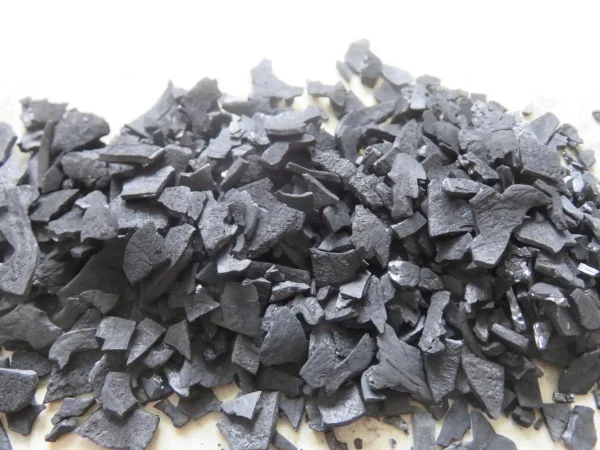
Coconut shells are among the most valuable biomass resources for producing high-quality charcoal. With their high fixed carbon content (70–80%), low ash and sulfur levels, and dense structure, coconut shells produce long-burning, low-smoke charcoal that commands premium prices in global markets—particularly for BBQ, shisha, and activated carbon applications. Global charcoal market is expected to grow from 73.15 million tons in 2025 to 92.86 million tons by 2031, while coconut shell charcoal specifically is anticipated to remain the most attractive segment. In 2025 alone, the global coconut charcoal market reached approximately 3.148 billion RMB (about $435 million USD) and is projected to reach 4.88 billion RMB by 2032.
If you are planning to enter or expand in this lucrative industry, selecting the right coconut shell charcoal carbonization furnace is the single most important decision you will make. This comprehensive guide walks you through everything you need to know: from understanding how coconut shell carbonization works to selecting the right equipment, optimizing yield, and achieving maximum profitability.
1. What Is a Coconut Shell Charcoal Carbonization Furnace?
A coconut shell charcoal carbonization furnace is a specialized thermal processing system that converts raw coconut shells into high-quality charcoal through a process called pyrolysis. In simple terms, the furnace heats coconut shells in an oxygen-limited environment—typically at temperatures between 400°C and 600°C—preventing combustion while driving off volatile compounds and leaving behind nearly pure carbon.
The result is coconut shell charcoal, which is prized for its high calorific value, low smoke emissions, excellent hardness, and suitability for both direct burning and further processing into activated carbon or briquettes.
2. How Does Coconut Shell Charcoal Carbonization Work?
The carbonization process typically follows these stages when using a coconut shell charcoal carbonization furnace:
-
Drying: Raw coconut shells are dried to reduce moisture content to below 15%, which significantly improves carbonization efficiency and product quality.
-
Carbonization: The dried shells are fed into the furnace and heated to 400°C–600°C in a low-oxygen environment. The material undergoes thermal decomposition, releasing volatile compounds while retaining carbon.
-
Cooling: The produced charcoal is cooled automatically within the system or through an external cooling unit before discharge.
-
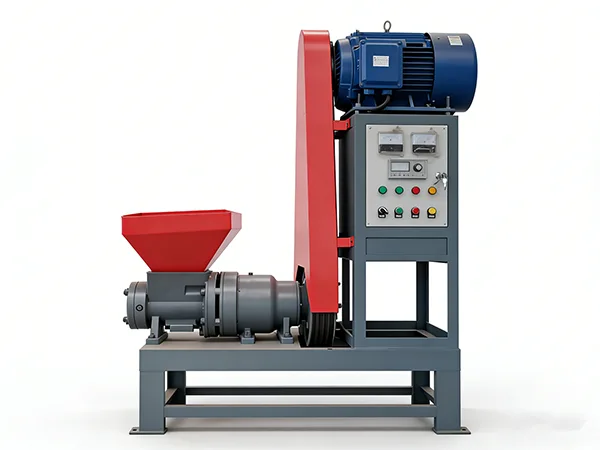
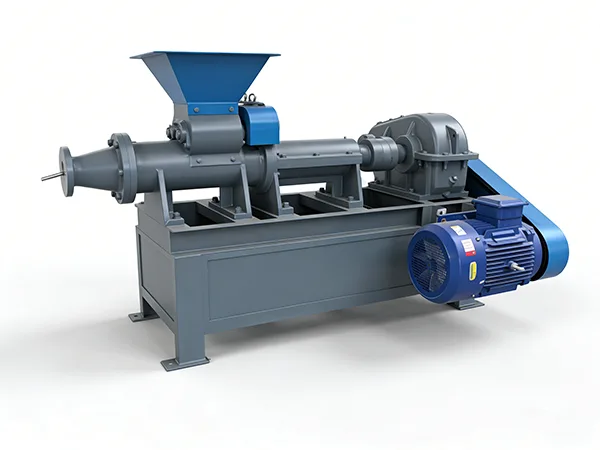
Post-Processing: The cooled charcoal can be crushed, mixed with binders, and compressed into briquettes using a charcoal briquette machine, or further processed into activated carbon for high-value applications.
Research has shown that carbonizing coconut shells at 400°C for 135 minutes yields approximately 60.75% biochar with 71.55% fixed carbon content, meeting SNI quality standards. However, higher temperatures (500–600°C) produce charcoal with higher calorific values (up to 7,336 kcal/kg), though at slightly lower yields. A balance between yield and quality is key to maximizing business profitability.
3. Types of Carbonization Furnaces for Coconut Shells
Two main types of carbonization furnaces are available for coconut shell processing: Batch (intermittent) and Continuous systems.
Batch Carbonization Furnace
Batch furnaces process a fixed amount of coconut shells in discrete cycles. They are typically more affordable and easier to operate, making them suitable for small-scale operations or businesses just starting out. A batch furnace can process approximately 300–800 kg of coconut shells per day.
However, batch furnaces have lower overall efficiency and longer cycle times, as the furnace must be reheated for each batch.
Continuous Carbonization Furnace
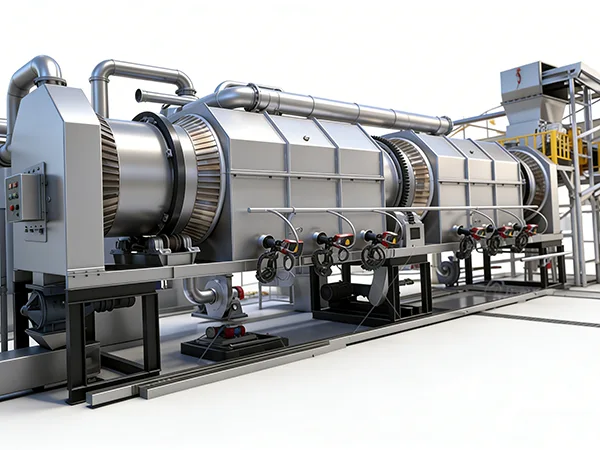
The continuous carbonization furnace is widely considered the most efficient and modern solution for coconut shell charcoal production. These systems operate 24 hours a day, feeding raw materials continuously while discharging finished charcoal continuously.
A continuous carbonization furnace for coconut shells can typically process 500–3,000 kg per hour, depending on the model. For example, some models achieve 400–500 kg of charcoal powder output per hour with a carbonization ratio of 96–99%.
Key advantages include:
-
Continuous 24/7 operation for maximum productivity
-
Up to 90% carbonization rate with minimal residue loss
-
Energy self-sufficiency through syngas recovery and recycling
-
Automated feeding and discharging reducing labor costs
-
Eco-friendly operation with smokeless emission control
A continuous system suited for small workshops handles 1–5 tons per day, while large industrial plants can achieve 5–10+ tons daily using a full continuous line with briquetting.
For dedicated coconut shell processing, continuous carbonization systems are specifically recommended due to their ability to handle the material’s fibrous texture efficiently.
4. Key Specifications to Consider When Choosing a Coconut Shell Charcoal Carbonization Furnace
Before making a purchase, evaluate these critical specifications:
Carbonization Temperature Range
Look for furnaces capable of reaching 400°C to 800°C or higher. Coconut shell carbonization typically occurs optimally between 400°C and 600°C, but higher-temperature capability (up to 800°C or more) provides flexibility for producing specialized charcoal products. Some advanced models feature multi-zone temperature control for precise process management.
Processing Capacity
Choose a furnace that matches your production goals:
| Production Scale | Recommended Furnace Type | Daily Output |
|---|---|---|
| Small Workshop | Batch Carbonization Furnace | 300–800 kg/day |
| Medium Factory | Continuous Carbonization Furnace | 1–5 tons/day |
| Large Industrial Plant | Continuous Line + Briquette Press | 5–10+ tons/day |
Energy Efficiency and Fuel Source
Modern coconut shell charcoal carbonization furnaces capture and recycle the combustible gases (syngas) produced during carbonization, dramatically reducing external energy requirements. Look for models equipped with gas purification and circulation systems. During operation, the carbonization process generates carbon monoxide, methane, and hydrogen—gases that can be purified and burned to heat the furnace itself, achieving self-sufficient operation.
Some high-efficiency systems achieve energy self-sufficiency after initial startup, requiring no additional fuel input throughout the production cycle. This feature can reduce fuel costs by up to 30% or more compared to conventional furnaces.
Automation Level
Fully automated systems with PLC controls optimize temperature, processing time, feeding, and discharging automatically. This reduces labor costs and human error while ensuring consistent charcoal quality.
High-end continuous furnaces require only 2–3 workers to operate the entire system, significantly reducing labor expenses.
Emission Control and Environmental Compliance
For businesses targeting export markets—particularly Europe—environmental compliance is critical. The EU Deforestation Regulation imposes fines and shipment confiscation for non-compliance, while certification costs are rising for exporters lacking traceable feedstocks.
Look for furnaces equipped with:
-
Integrated flue gas purification systems
-
Smokeless carbonization technology
-
Emission scrubbers meeting CE, ISO, or EPA standards
Modern coconut shell charcoal carbonization furnaces with smokeless technology can reduce particulate emissions by up to 90% compared to traditional kilns.
5. How to Optimize Coconut Shell Charcoal Yield and Quality
Maximizing the profitability of your coconut shell charcoal carbonization furnace requires careful attention to several process parameters:
Raw Material Preparation
Coconut shells should be crushed into particles smaller than 15mm before carbonization, as this increases surface area and ensures more uniform heating. A charcoal crusher is essential for this step. Drying raw shells to reduce moisture content below 15% significantly improves carbonization efficiency and product quality.
Temperature and Time Optimization
-
Highest yield: Carbonizing at approximately 300–400°C yields the highest charcoal quantity (up to 60–71% yield)
-
Highest quality: Carbonizing at 500–600°C produces charcoal with superior calorific value (up to 7,336 kcal/kg), ideal for premium markets
-
Balance approach: For most commercial operations, carbonizing at 400–500°C provides optimal balance between yield and quality
Studies have demonstrated that burning 25 kg of coconut shells in an optimized kiln yields approximately 48% charcoal content. With modern continuous furnaces achieving carbonization ratios of 96–99% on a weight basis, significant improvements over traditional methods are possible.
Smoke and Emission Control
Traditional carbonization methods often produce excessive smoke, polluting the environment and creating health hazards. Modern coconut shell charcoal carbonization furnaces incorporate sealed designs with smokeless technology that trap and recycle combustion gases, dramatically reducing emissions while improving workplace safety.
Waste Heat Recovery
Implement a circular economy approach by recovering waste heat from the carbonization process. This heat can be used to pre-dry incoming coconut shells, further reducing energy costs. Some advanced systems integrate this as a standard feature, achieving up to 20% faster carbonization cycles compared to conventional models.
6. Market Demand and Profitability of Coconut Shell Charcoal
The market for coconut shell charcoal is robust and growing. Several key factors drive demand:
Strong Global Market Growth
-
Global coconut charcoal market reached 3.148 billion RMB (approximately $435 million USD) in 2025 and is projected to reach 4.88 billion RMB by 2032
-
Global charcoal market overall is forecast to reach 92.86 million tons by 2031, growing at 4.06% CAGR
-
Coconut shell charcoal is anticipated to remain the most attractive segment within the charcoal market
High-Value Applications
Coconut shell charcoal commands premium prices in multiple markets: BBQ and shisha charcoal requires consistent, long-burning, low-smoke properties; activated carbon (reaching $1.10 billion market by 2025) demands high-purity charcoal; industrial fuel and briquettes target manufacturing and heating sectors; while silver skin, wood vinegar, and bio-oil represent additional revenue streams during pyrolysis.
Profitability Analysis
Studies confirm that coconut shell charcoal production is significantly more profitable than wood charcoal. Case research from Indonesia shows coconut shell charcoal achieving a monthly gross profit exceeding wood charcoal by approximately six times.
International market prices for coconut shell biochar range from approximately 600to1,200 USD per ton, depending on quality and carbon content, while raw coconut shells remain relatively inexpensive input materials.
Henan Manto Machinery Equipment Co., Ltd. supplies advanced coconut shell charcoal carbonization furnace systems tailored to these market demands, enabling producers to achieve high yields while maintaining competitive production costs.
7. How to Choose a Reliable Supplier for Your Coconut Shell Charcoal Carbonization Furnace
Selecting the right supplier is as important as choosing the right furnace. Here are key criteria to evaluate:
Manufacturing Standards and Certifications
Look for suppliers with ISO 9001:2015, CE, or other international certifications. These demonstrate consistent quality control and safety compliance.
Henan Province—particularly Zhengzhou—has emerged as a technical hub for biomass carbonization equipment, with dense networks of engineering firms specializing in coconut shell processing systems.
Technical Expertise in Coconut Shell Processing
Effective coconut shell carbonization demands precise thermal control including staged drying, controlled pyrolysis between 400–600°C, efficient tar separation, and integrated gas recycling. Suppliers with experience in continuous carbonizing systems demonstrate deeper process knowledge. Look for features like integrated condensers, secondary combustion chambers, and cooling units that preserve biochar integrity.
After-Sales Support and Spare Parts Availability
Verify that your supplier provides installation training, technical support, maintenance plans, and ongoing spare parts availability, especially for wear components such as refractory linings, feeding augers, and cooling system parts.
Factory Visit and Machine Testing
Request a factory acceptance test (FAT) using your own coconut shell samples before final purchase. Reputable suppliers have demonstration centers where you can observe real-world performance and verify yield claims.
Henan Manto Machinery Equipment Co., Ltd. offers comprehensive testing services and on-site commissioning support, ensuring your investment delivers the promised output from day one.
Pricing Transparency
Obtain detailed quotations that break down machine price, shipping and insurance (Incoterms such as FOB or CIF), installation fees, training costs, and warranty terms. Be cautious of hidden charges for packaging or basic components.
8. Return on Investment (ROI) Considerations
Investing in a coconut shell charcoal carbonization furnace typically delivers excellent ROI when properly executed. Key ROI factors include:
-
Initial investment cost varies based on system size and automation level, but generally ranges from approximately 10,000forsmallcontinuousfurnacesto100,000+ for fully automated industrial lines
-
Operational savings through energy self-sufficiency (recycled syngas eliminates external fuel costs) and reduced labor (automated systems require only 2–3 operators)
-
Revenue from multiple product streams: primary charcoal sales, activated carbon (higher margin), wood vinegar and tar (saleable byproducts)
-
Scaling advantages allow starting with a smaller continuous furnace and expanding capacity by adding modular units without scrapping existing equipment
Most producers achieve payback periods of 6 to 18 months, depending on local raw material costs, energy prices, and target market premiums.
Conclusion
The coconut shell charcoal industry offers tremendous opportunities for entrepreneurs and established producers alike. By selecting the right coconut shell charcoal carbonization furnace—preferably a continuous system with gas recycling and smokeless technology—you can achieve yields exceeding 90%, reduce operational costs through energy self-sufficiency, and consistently produce high-quality charcoal that commands premium prices globally.
Henan Manto Machinery Equipment Co., Ltd. provides comprehensive solutions for coconut shell charcoal production, from individual coconut shell charcoal carbonization furnace units to complete turnkey production lines. With years of export experience and a full range of ISO/CE-certified equipment, Manto Machinery helps you maximize charcoal yield, minimize energy consumption, and achieve sustainable profitability.
Your journey to profitable coconut shell charcoal production starts with the right furnace. Use the guidelines in this article to evaluate suppliers, verify specifications, and test equipment before you invest. Choose wisely, and your coconut shell charcoal business will generate returns for years to come.