If you run or plan to launch a charcoal‑making business, you have probably dealt with one major headache: manual feeding. Many small‑scale charcoal producers still rely on workers to shovel wood chips, sawdust, coconut shells and agricultural residues into carbonization furnaces hour after hour. Manual loading brings high labour costs, inconsistent feed rates, safety risks for operators, and uneven charcoal quality. Even experienced plant managers struggle to keep stable output when human fatigue and shift changes affect production rhythm. This is exactly why more and more charcoal entrepreneurs are researching a Charcoal Machine with Automatic Feeding as a practical upgrade for new or existing charcoal factories.
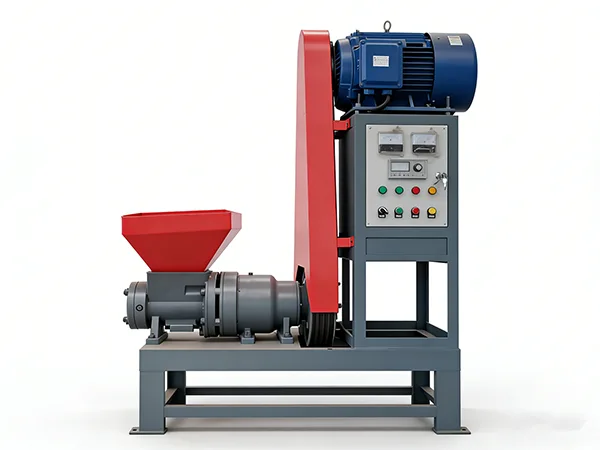
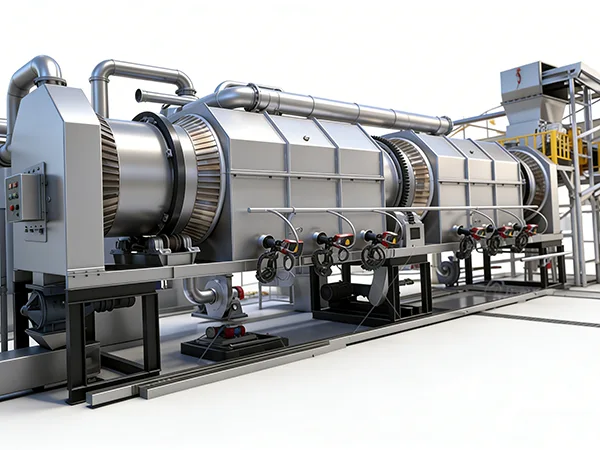
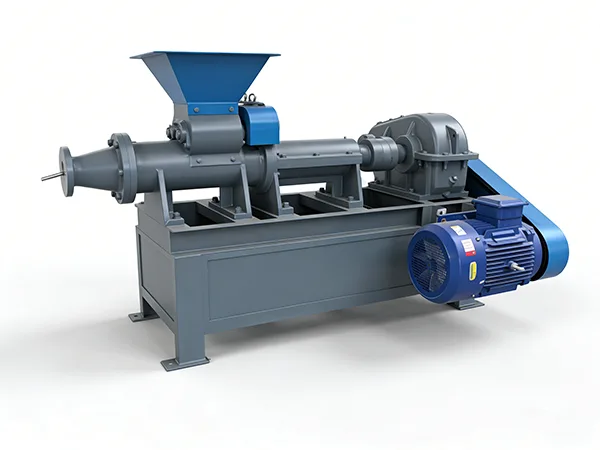
A charcoal machine with automatic feeding replaces physical manual shovelling with mechanical conveying systems. Most practical designs use screw conveyors, storage hoppers with level sensors and variable‑speed drives to push raw biomass material into carbonization reactors at a steady, adjustable pacemantocharc…. Some models work as standalone retrofit kits for older batch kilns, while most modern units are integrated inside full continuous carbonization production lines. The core idea is simple: once raw biomass fills the feeding hopper, equipment handles material delivery automatically. Operators only monitor control panels, adjust parameters and perform routine inspections, instead of lifting heavy biomass materials all day long. This shift directly changes day‑to‑day operations for family‑run workshops and growing manufacturing facilities alike.
Henan Manto Machinery Equipment Co., Ltd. has accumulated rich practical experience building charcoal‑making equipment for global clients, understanding real‑world pain‑points of charcoal producers across different regions. Many overseas customers come to them after running manual‑feed charcoal setups for years. Common complaints include high staff turnover for heavy‑labour feeding positions, frequent furnace temperature fluctuations caused by irregular manual loading, and difficulty scaling output to fulfil large export orders. Henan Manto Machinery designs automatic feeding charcoal systems to solve these exact challenges. Their engineers match feeding‑system specifications to raw‑material types, expected hourly capacity and site conditions, whether clients process sawdust, wood chips, nut shells or crop waste biomass.
What concrete advantages can you expect after switching to a charcoal machine with automatic feeding? First of all, significant labour reduction. Traditional charcoal kilns may need multiple workers dedicated purely to feeding work. With automatic feeding mechanisms, one or two staff members can supervise an entire medium‑size charcoal line. Labour represents one of the largest recurring expenses for charcoal manufacturing, so cutting workforce requirements directly improves project profit margins. Secondly, consistent charcoal quality becomes achievable. When humans feed material by hand, they may dump large volumes of cold biomass into hot furnaces at once, dropping internal carbonization temperature. Poor temperature stability creates partially‑carbonized low‑grade charcoal that cannot satisfy wholesale buyers or export standards. Automatic feeding delivers measured, steady material flow, maintaining stable pyrolysis temperature and uniform carbon content batch after batch.
Thirdly, properly configured automatic‑feed equipment supports longer continuous running cycles. Many modern continuous carbonization furnace units equipped with auto‑feed structures can operate for long shifts, which helps business owners fulfil bulk orders within tight deadlines. It is important to note that automatic feeding is not magic. It still requires raw‑material pre‑processing. Raw biomass should reach suitable particle size and moisture levels before entering the feeding hopper. If oversized blocks or overly‑wet material go into the automatic feeding system, jams and unstable operation will still occur. That means complete charcoal workflows still need supporting crushing and drying equipment before feeding stages. Many first‑time buyers overlook this detail and face avoidable operational troubles after installation.
When shopping for a charcoal machine with automatic feeding, buyers should avoid focusing only on price tags. There are several practical criteria you must evaluate before finalising purchasing decisions. Check feeding‑hopper capacity, screw‑conveyor material thickness and wear resistance. Biomass often carries sand and small hard debris, which will wear down feeding components over long‑time operation. Low‑cost thin‑metal feed screws wear out quickly and trigger frequent downtime. You also need to verify speed‑adjustment functions. Different biomass feedstock types require different feeding speeds. For example, light sawdust flows much easier than chunky wood chips, so variable‑speed control gives you production flexibility. Sensor protection functions are another key point. Level sensors prevent hopper over‑filling or empty‑running conditions that may damage your carbonization host machine. Additionally, ask suppliers about spare‑part availability and local after‑sales support. Buying good machinery means little if you cannot source replacement feeding components quickly when parts wear out.
Many investors wonder whether small‑scale charcoal workshops really need automatic feeding systems. The answer depends on your business goals. If you only produce very small batches for local neighbourhood sales and have unlimited cheap labour, manual feeding may temporarily satisfy your needs. However, if you plan to expand output, target regional wholesale markets or explore charcoal export opportunities, automating feeding stages becomes a worthwhile investment. Many Manto customers started with small manual kilns and upgraded step‑by‑step. Some choose to retrofit existing furnaces with separate automatic feeding modules instead of buying a complete brand‑new line from day one. This phased‑upgrade approach lowers initial capital pressure for growing enterprises.
Apart from hardware quality, full‑set technical service strongly influences your project success. Henan Manto Machinery delivers complete wood chip charcoal solutions covering equipment selection, production‑layout planning, on‑site installation guidance and operator training. Their solution engineers will talk through your raw‑material supply situation, target output volume, factory‑space limits and product‑market demands before recommending suitable automatic‑feed charcoal machine configurations. Many new charcoal‑plant operators lack practical production experience. Professional guidance helps them skip common beginner mistakes and shorten the trial‑run period after equipment arrives.
While automatic‑feed charcoal machines bring clear benefits, potential buyers should also understand realistic limitations. Automatic feeding systems reduce labour but do not remove human operators completely. Workers still need to refill the main hopper periodically, monitor running status, clear occasional minor blockages and perform scheduled maintenance work. You also need to budget for power consumption. Mechanical feeding components consume electricity, so calculate local power costs within your overall operational budget. Keep wear‑part replacement costs in mind as well. Screw blades and sealing pieces will degrade over thousands of working hours and need periodic replacement, just like other industrial processing equipment.
Before you sign any purchase contract, ask equipment suppliers for real‑case references of running charcoal plants that use the same charcoal machine with automatic feeding model. Talking to existing operators gives you unfiltered insights about real‑world performance, daily troubles and long‑term running costs. Photos and demo videos are helpful, but verified live‑project references carry more weight. Reputable manufacturers will happily share project references for your evaluation.
Looking toward market trends, global demand for biomass‑based charcoal keeps rising. Barbecue charcoal, shisha charcoal, industrial‑grade carbon materials and agricultural soil‑improvement biochar all create stable market demand. At the same time, labour costs keep climbing in most countries. For this reason, automated charcoal production setups including automatic feeding will keep growing in popularity across small‑to‑large charcoal‑making facilities. Investing in reliable automation today helps your charcoal business stay competitive for years ahead.
To wrap up our core question: is a charcoal machine with automatic feeding worth your investment? It is absolutely worthwhile for most serious charcoal producers, especially if you aim for stable quality, higher output and controlled labour expenses. Still, you must match machine specifications to your raw‑material conditions, site space and budget. Partnering with trustworthy equipment manufacturers makes your investment much safer. If you are ready to sketch out your charcoal‑plant project, you can explore turnkey charcoal production line equipment options and consult professional engineers to map out your ideal equipment configuration.