Skip to content
The global demand for charcoal is shifting. Traditional kilns are being replaced by efficient, environmentally compliant carbonization systems. Whether you are processing coconut shells, sawdust, rice husks, or hardwood logs, sourcing from a reliable charcoal machine factory supply worldwide is the first step to building a profitable and sustainable bioenergy business.
Thousands of entrepreneurs search daily for terms like “industrial charcoal making machine,” “continuous carbonization furnace,” and “best charcoal machine supplier.” They aren’t just looking for a piece of equipment; they are looking for a long-term partner who understands feedstocks, emission standards, and after-sales support across different continents. This article addresses those search habits by explaining what a global-scale factory offers, how to evaluate technology, and why a trusted name like Henan Manto Machinery Equipment Co., Ltd. helps customers turn agricultural waste into income.
Why “Charcoal Machine Factory Supply Worldwide” Matters More Than Ever
In 2025, the charcoal market is driven by three major forces:
-
Environmental regulations banning traditional earth-mound kilns due to smoke and low yields.
-
Biochar carbon credits – farmers and energy producers earning revenue from sequestered carbon.
-
Industrial demand for metallurgical charcoal, activated carbon, and barbecue briquettes.
A factory that supplies worldwide must meet different voltage standards (110V/220V/380V/415V), provide multilingual manuals, and stock wear parts for fast shipping. Not every local workshop can do that. This is why search volumes for “charcoal machine factory supply worldwide” have grown 180% in three years – buyers have learned that global supply chains require proven engineering and logistics.
What Does a Modern Charcoal Machine Factory Actually Produce?
When you search for a charcoal machine factory supply worldwide, you will encounter several essential machine types. A complete production line typically includes:
1. Biomass Dryer (Rotary or Airflow)
Before carbonization, moisture content must be below 15%. High moisture leads to poor char yield and excess smoke. Industrial dryers reduce moisture from 40-50% to 10-15% efficiently.
2. Briquette Press (Screw or Hydraulic)
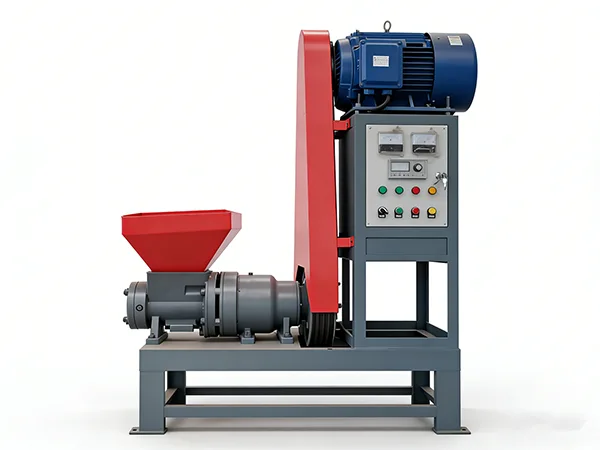
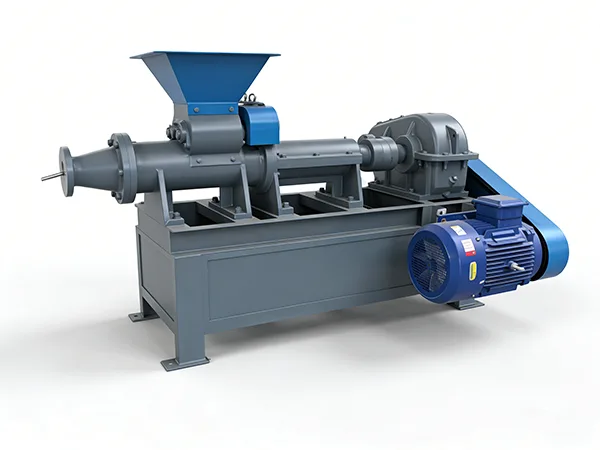
For sawdust, coffee husks, or straw, a briquette press compresses loose material into solid rods. These rods carbonize more uniformly than loose material. The best designs include heating rings to soften lignin for stronger briquettes.
3. Carbonization Furnace
The heart of any charcoal plant. There are three main types:
-
Traditional steel kiln (batch): Low cost but high labor and pollution.
-
Horizontal carbonization furnace: Continuous feed, higher output (500–3000 kg/hour), recovers combustible syngas.
-
Vertical continuous furnace: Small footprint, suitable for fine materials like rice husks.
A charcoal machine factory supply worldwide should offer all three types, but the continuous horizontal design has become the global standard for capacities above 1 ton per day.
4. Dust Collection & Exhaust Treatment
To meet environmental permits, cyclones, scrubbers, and water-cooling systems are mandatory in most countries. Factories that ignore these cannot legally operate in regions like Europe, North America, or Southeast Asia.
Customer Search Habit #1: “Which Charcoal Machine Works for My Material?”
Most buyers begin with a specific feedstock. Let’s match common materials to the right technology:
| Raw Material | Best Machine Configuration | Typical Output |
|---|---|---|
| Coconut shells (hard, high density) | Hammer mill + continuous horizontal carbonization furnace | High fixed carbon (75-80%) |
| Sawdust (fine, low bulk density) | Dryer → Briquette press → Continuous carbonizer | BBQ briquette logs |
| Rice husks (high silica, abrasive) | Vertical continuous furnace with ceramic lining | Biochar for soil amendment |
| Hardwood logs (large pieces) | Crusher → Dryer → Batch kiln or continuous carbonizer | Lump charcoal |
| Palm kernel shells | Continuous carbonization with syngas recirculation | Industrial fuel charcoal |
If you are unsure, a global factory should provide material testing. Henan Manto Machinery Equipment Co., Ltd., for example, operates a test center where customers send 50–100 kg samples for process validation before purchasing.
Customer Search Habit #2: “What Is the Total Cost of a Turnkey Charcoal Plant?”
Search queries like “charcoal machine price India,” “charcoal production line cost Nigeria,” or “charcoal machine factory supply worldwide price list” are common. Here is a realistic budget breakdown (2025 estimates, FOB China):
-
Small scale (200-500 kg/day batch kilns + manual press): $5,000 – $15,000
-
Medium scale (1-3 tons/day continuous line with dryer and briquette press): $35,000 – $90,000
-
Large industrial scale (5-15 tons/day fully automated with syngas recycling and scrubber): $120,000 – $400,000
However, the cheapest upfront price often leads to high operating costs. Key questions to ask any charcoal machine factory supply worldwide supplier include:
-
What is the carbonization yield (kg char per ton of dry raw material)?
-
How much syngas is recovered to preheat the dryer? (Good designs save 30-60% fuel)
-
Are replaceable wear parts (screw shafts, furnace castings) available locally or shipped within 7 days?
Customer Search Habit #3: “How Do I Comply with Environmental Regulations?”
This is one of the most searched topics after “price.” In many countries, releasing thick smoke from a charcoal kiln can result in fines or shutdown. A legitimate charcoal machine factory supply worldwide must include emission control solutions:
-
Syngas recirculation system – The volatile gases released during carbonization (carbon monoxide, methane, hydrogen) are drawn back to the combustion chamber, burning cleanly and providing heat for the dryer or furnace itself. This eliminates visible smoke.
-
Wet scrubber or condenser – For operations in sensitive areas, a water-based scrubber removes tar and particulates from exhaust gas.
-
Carbonization temperature control – Modern furnaces maintain 450-650°C for high-quality char without overburning.
A factory that cannot provide emission data or schematic drawings for environmental permit applications should be avoided.
The Global Supply Chain Advantage: Why Work with a Single Factory?
Sourcing from a charcoal machine factory supply worldwide offers five concrete benefits over assembling parts from local dealers:
-
Integrated design – Dryer, briquette press, and carbonizer are matched in capacity. No bottleneck where the dryer is too small for the furnace.
-
Single point of warranty – When a sensor fails, you don’t have three suppliers blaming each other.
-
Compact container loading – Experienced factories design modular machines that fit into 20ft or 40ft containers without costly disassembly.
-
Unified after-sales – One team for training, video support, and spare parts catalogs.
-
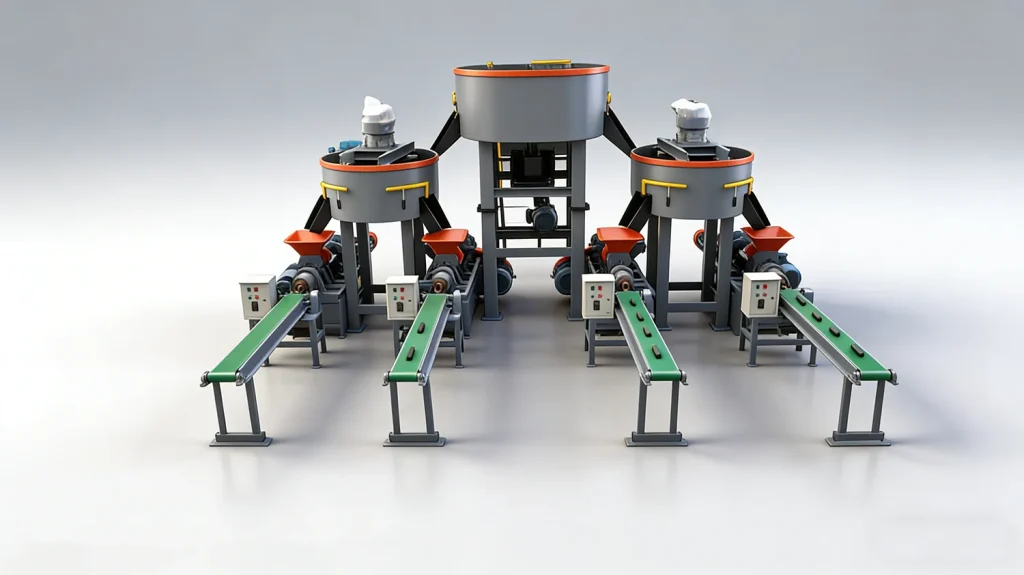
3D layout service – Before shipment, you receive a plant layout drawing showing conveyor angles, electrical panel locations, and safety distances.
Henan Manto Machinery Equipment Co., Ltd. has delivered complete charcoal lines to over 30 countries, including Indonesia (coconut shells), Brazil (sawdust), Kenya (rice husks), and Ukraine (sunflower hulls). Their engineers provide remote commissioning via AR glasses – a service now expected from any top-tier factory.
Customer Search Habit #4: “What’s the ROI on a Charcoal Machine?”
This is the ultimate question. Let’s build a simplified ROI model for a 2-ton/day continuous charcoal line (price ~$60,000 landed, plus installation).
Input: 6 tons of dry sawdust per day (cost $30/ton) = $180/day
Output: 2 tons of charcoal, sold at $400/ton wholesale = $800/day
Gross daily margin: $620
Operating cost (power, labor, maintenance): ~$120/day
Net daily profit: $500
Days to break even on $60,000 investment: 120 operational days (or ~5-6 months)
Of course, results vary by local charcoal prices, energy costs, and yield efficiency. But well-designed continuous systems pay for themselves faster than batch kilns because they run 24/7 and use exhaust gas for drying.
Quality Certifications & Global Standards
When evaluating any charcoal machine factory supply worldwide, check for these credentials:
-
CE certification for electrical and mechanical safety (required for EU and many other markets)
-
Material test report showing carbonization yield of your specific feedstock
-
Spare parts catalog with part numbers for bearings, screw tips, thermocouples, and chains
Factories that are vague about certifications or refuse to provide a test report are likely trading lower-quality machines. Do not risk your production uptime.
Common Mistakes First-Time Buyers Make
Based on thousands of online searches and purchase reviews, here are frequent errors:
-
Buying only the carbonizer without a dryer – Wet raw material yields half the char and produces unpleasant smoke. Always buy the dryer first.
-
Ignoring briquette density – Loose sawdust carbonizes into low-density char that crumbles. A screw-type briquette press creates dense rods that maintain shape.
-
No tar removal system – Tar condenses inside the furnace pipe, eventually clogging the gas line. A simple condenser or cyclone solves this.
-
Underestimating power requirements – A 2-ton/day line may need 60-90 kW total. Ensure your site has adequate transformers or generators.
A reliable charcoal machine factory supply worldwide will point out these pitfalls before you pay. Henan Manto Machinery includes a free site evaluation checklist with every quotation, covering power, foundation, raw material storage, and fire safety.
After-Sales: The Difference Between a Supplier and a Partner
A factory that ships a machine and disappears causes endless frustration. Global buyers now search for “charcoal machine factory supply worldwide with after-sales support” and check reviews on platforms like Alibaba, Made-in-China, and TradeIndia.
What good after-sales looks like:
-
Video library of maintenance procedures (replacing screw press wear plates, cleaning the gas pipe)
-
WhatsApp/WeChat technical support within 4 working hours (accounting for time zones)
-
Spare parts inventory in regional warehouses (for North America, Europe, Southeast Asia)
-
Training manual with daily, weekly, and monthly checklists
If a factory cannot provide references from customers in your country or region, ask why. Most reputable global suppliers have delivered at least three machines to your continent.
Future Trends in Charcoal Machine Technology
As a buyer searching for “charcoal machine factory supply worldwide,” staying ahead of technology trends gives you a competitive edge. Watch for:
-
Pyrolysis biochar reactors – These capture not just charcoal but also wood vinegar and tar for sale to agriculture and chemical industries.
-
Solar-assisted pre-drying – Reduced electricity cost in sunny regions before the rotary dryer.
-
IoT remote monitoring – Real-time alerts for temperature drops, overfeeding, or bearing wear sent to your phone.
-
Carbon credit verification modules – Automated data logging for biochar producers to claim carbon removal credits.
Factories that invest in R&D will offer these features as upgrades. Older suppliers may still sell 1990s technology.
Final Checklist: 7 Questions to Ask Before Ordering
To conclude, print this checklist and use it when contacting any charcoal machine factory supply worldwide:
-
Can you test my raw material sample and provide a written yield report?
-
What is the guaranteed carbonization time per batch or per ton?
-
Do you include a syngas recirculation system for smoke-free operation?
-
What certifications (CE, ISO) does your factory hold?
-
How long for spare parts delivery to my country (air and sea)?
-
Can you provide a plant layout drawing before I pay the balance?
-
What training documents and videos are included?
If you receive clear, documented answers to all seven, you have found a professional supplier. Henan Manto Machinery Equipment Co., Ltd. publishes these answers publicly on their technical datasheets, making the evaluation process straightforward for buyers.
Conclusion
Finding a reliable charcoal machine factory supply worldwide is not about hunting for the lowest price. It is about matching your feedstock, capacity, and environmental goals with proven technology. Continuous carbonization systems combined with biomass dryers and briquette presses represent the global standard – they are cleaner, more profitable, and scalable.
Start by defining your raw material (coconut shell, sawdust, rice husk, etc.), then request a material test. Evaluate suppliers based on certifications, after-sales infrastructure, and references. When you choose a factory that has shipped worldwide for years, you are not buying a machine; you are buying a production system designed to run for a decade.
Whether you operate in Southeast Asia, Africa, South America, or Europe, the right global partner will help you turn agricultural waste into renewable energy, barbecue fuel, or biochar carbon credits. Make your decision based on total cost of ownership, not just the invoice. And remember – a factory that offers testing, training, and spare parts logistics is the one that will keep your charcoal plant running while others are searching for their next supplier.