Skip to content
Introduction
If you are searching for how to start a charcoal production business, you are not alone. With rising global demand for sustainable energy and eco-friendly fuel alternatives, the charcoal production industry offers a lucrative opportunity for entrepreneurs. Whether you plan to produce traditional lump charcoal, charcoal briquettes, or biomass-based charcoal from agricultural waste, this guide will walk you through every step — from market research and raw material selection to equipment sourcing and profitability analysis.
Henan Manto Machinery Equipment Co., Ltd. has helped hundreds of clients worldwide launch successful charcoal manufacturing operations. In this comprehensive guide, we share proven strategies to help you turn organic waste into a profitable business.
Why Start a Charcoal Production Business?
Before diving into how to start a charcoal production business, it is essential to understand why this industry is booming.
-
Growing demand – Charcoal is widely used for BBQ, industrial heating, activated carbon production, and metallurgy.
-
Abundant raw materials – Agricultural waste like coconut shells, palm kernel shells, sawdust, rice husks, and wood chips are low-cost and readily available.
-
Environmental benefits – Recycling biomass waste reduces landfill use and carbon emissions.
-
Government incentives – Many countries offer tax breaks and subsidies for renewable energy and waste-to-energy projects.
-
High profit margins – With proper equipment and efficient processes, charcoal production can yield ROI within 6–12 months.
Step 1: Conduct Market Research & Create a Charcoal Making Business Plan
Every successful venture starts with a solid plan. When learning how to start a charcoal production business, your first step is to analyze:
-
Target customers – BBQ retailers, industrial boilers, activated carbon plants, or export markets.
-
Local competition – Identify gaps in quality, price, or distribution.
-
Raw material availability – Ensure consistent supply of coconut shells, palm kernel shells, sawdust, or wood chips.
-
Pricing strategy – Factor in production costs, transportation, and desired profit margins.
Your charcoal making business plan should include:
-
Executive summary
-
Startup costs (equipment, labor, rent, utilities)
-
Revenue projections
-
Marketing strategy
-
Risk assessment
A well-researched business plan helps secure loans or investors and keeps your operations on track.
Step 2: Choose the Right Raw Material
The type of biomass you use directly affects charcoal quality and production costs. Common raw materials include:
| Raw Material | Charcoal Quality | Availability | Cost |
|---|---|---|---|
| Coconut shells | High (hard, long burn) | Tropical regions | Low |
| Palm kernel shells | High (high calorific value) | Southeast Asia, Africa | Low |
| Sawdust | Medium (good for briquettes) | Worldwide | Very low |
| Rice husks | Low-medium | Asia | Very low |
| Wood chips | Medium-high | Worldwide | Medium |
For premium charcoal, coconut shell and palm kernel shell are top choices. Many entrepreneurs searching for how to start a charcoal production business focus on these materials due to their high carbon content and consistent quality.
Step 3: Select the Right Charcoal Production Equipment
Equipment selection is the most critical technical decision. The right machinery determines your output quality, production capacity, and operating costs.
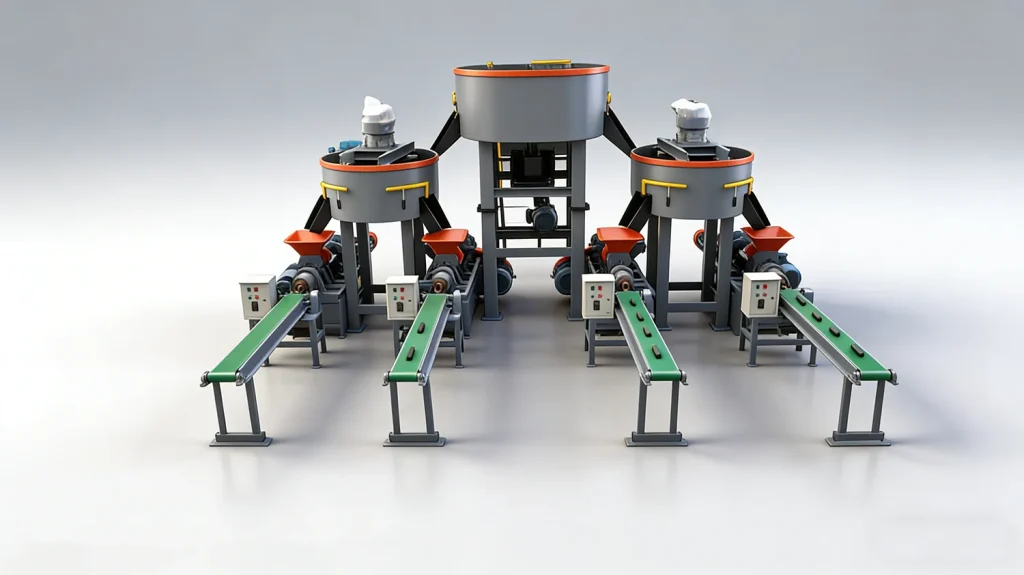
A complete biomass charcoal production equipment line typically includes:
-
Crusher / Grinder – Reduces raw material to uniform size.
-
Dryer – Lowers moisture content to 10–15% for efficient carbonization.
-
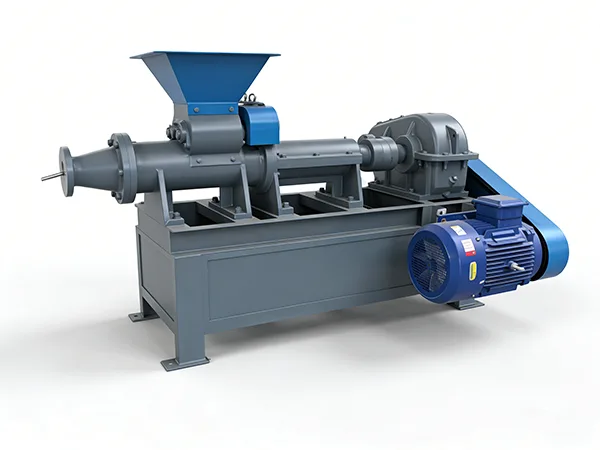
Carbonization Furnace – Converts biomass into charcoal via high-temperature pyrolysis (400–700°C). Continuous carbonization machines are most efficient for large-scale operations.
-
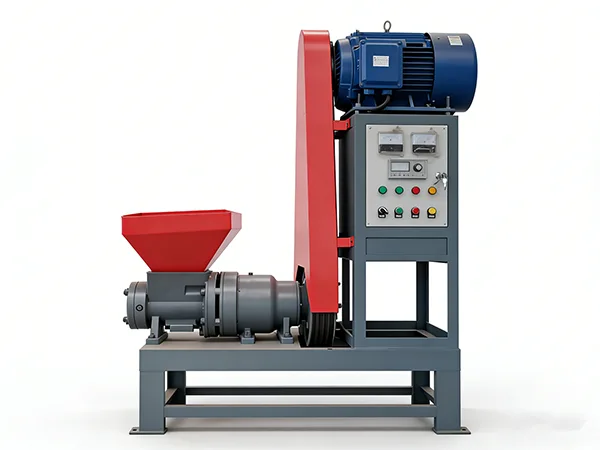
Briquette Machine (optional) – Compresses charcoal powder into uniform briquettes, increasing market value.
-
Cooling & Packaging System – Prepares finished charcoal for storage or shipping.
For those starting small, small scale charcoal manufacturing equipment with 500–1000 kg/day capacity is available. As your business grows, you can upgrade to industrial-scale systems processing 5–10 tons per day.
Henan Manto Machinery offers complete turnkey solutions, including installation, training, and after-sales support.
Step 4: Understand the Carbonization Process
The heart of any charcoal business is the carbonization process. Here is a simplified overview:
-
Preparation – Raw material is crushed and dried.
-
Pyrolysis – Material is heated in a low-oxygen environment. Volatile gases are released, leaving fixed carbon (charcoal).
-
Gas recycling – Modern carbonization furnaces capture and reuse combustible gases to heat the system, reducing fuel costs by 30–50%.
-
Cooling – Charcoal is cooled to prevent spontaneous combustion.
-
Briquetting or packaging – Final product is shaped (if desired) and packed.
Continuous carbonization machines are preferred for charcoal briquette production line because they run 24/7 with minimal manual intervention.
Step 5: Calculate Startup & Operational Costs
One of the most common questions in how to start a charcoal production business is: How much money do I need?
Here is a rough estimate for a small scale charcoal manufacturing operation (500–1000 kg/day):
| Expense Item | Estimated Cost (USD) |
|---|---|
| Small carbonization furnace | $3000 – $8000 |
| Crusher + dryer | $2000 – $5000 |
| Briquette machine (optional) | $2500 – $6000 |
| Labor (monthly) | $500 – $1500 |
| Raw material (monthly) | $300 – $800 |
| Rent & utilities (monthly) | $400 – $1,000 |
Total startup (equipment only): $5000 – $14000
Total monthly operating: $1200 – $3300
Larger industrial lines can cost $20,000 – $100,000+ but offer significantly higher daily output and ROI.
Step 6: Obtain Necessary Permits & Licenses
Legal requirements vary by country and region. Typically, you will need:
-
Business registration
-
Environmental permit (for emissions)
-
Fire safety certification
-
Zoning approval
-
Export license (if selling internationally)
Consult local authorities or a business attorney to ensure full compliance before starting production.
Step 7: Develop a Sales & Marketing Strategy
Even the best charcoal won’t sell itself. To turn how to start a charcoal production business into a profitable reality, focus on:
-
Local distribution – Restaurants, hotels, BBQ supply stores, and industrial boilers.
-
Online sales – E-commerce platforms, social media, and B2B marketplaces like Alibaba or TradeKey.
-
Export opportunities – Many countries import biomass charcoal due to domestic shortages or higher prices.
-
Branding – Eco-friendly, high-calorific, low-smoke charcoal commands premium pricing.
Consider offering sample packs to potential buyers and attending trade shows to network with wholesalers.
Step 8: Scale Your Business Over Time
Once your initial operation is profitable, consider scaling:
-
Add a charcoal briquette production line to diversify products.
-
Upgrade to a continuous carbonization furnace for higher output.
-
Source additional raw materials (e.g., coconut shells from different regions).
-
Explore activated carbon production, which sells at much higher prices.
Many successful charcoal entrepreneurs started small and expanded into multi-ton daily operations within 2–3 years.
Common Mistakes to Avoid When Starting a Charcoal Business
Learning how to start a charcoal production business also means knowing what not to do:
-
Skipping market research – Producing charcoal nobody wants to buy.
-
Buying cheap, low-quality equipment – Leads to frequent breakdowns and inconsistent charcoal quality.
-
Ignoring moisture control – Wet material produces poor charcoal and wastes energy.
-
Underestimating working capital – Raw material, labor, and utilities require consistent cash flow.
-
Neglecting safety – Carbonization involves high heat and combustible gases; proper training is essential.
Henan Manto Machinery provides free technical consultations to help new entrepreneurs avoid these pitfalls.
Why Choose Henan Manto Machinery for Your Charcoal Production Line?
As a trusted manufacturer of biomass charcoal production equipment, Henan Manto Machinery Equipment Co., Ltd. offers:
-
High-efficiency continuous carbonization furnaces
-
Energy-saving designs that recycle pyrolysis gas
-
Durable crushers, dryers, and briquette machines
-
Customizable production lines from 500 kg/day to 20+ tons/day
-
Worldwide shipping, installation, and operator training
-
Competitive pricing with long-term after-sales support
Whether you are exploring how to start a charcoal production business for the first time or expanding an existing operation, Henan Manto Machinery is your reliable partner.
Conclusion
Starting a charcoal production business is a profitable and sustainable venture when approached correctly. By following this step-by-step guide — from creating a charcoal making business plan and selecting the right raw materials to investing in quality biomass charcoal production equipment — you can build a successful enterprise that serves growing global demand for eco-friendly fuel.
Remember: success comes from careful planning, the right machinery, and consistent execution. If you are ready to take the next step, Henan Manto Machinery is here to help with expert advice and top-tier equipment.