Skip to content
If you’re searching for how to make charcoal briquettes from sawdust, you’re likely looking for a cost-effective, eco-friendly way to turn wood waste into valuable fuel. Sawdust, often considered a byproduct of wood processing, can be transformed into high-quality charcoal briquettes used for cooking, heating, and even industrial fuel.
This complete guide explains everything you need to know—from raw materials and equipment to the full production process—so you can start making briquettes efficiently. Industry-leading equipment providers like Henan Manto Machinery Equipment Co., Ltd. offer reliable solutions for every stage of this process.
What Are Sawdust Charcoal Briquettes?
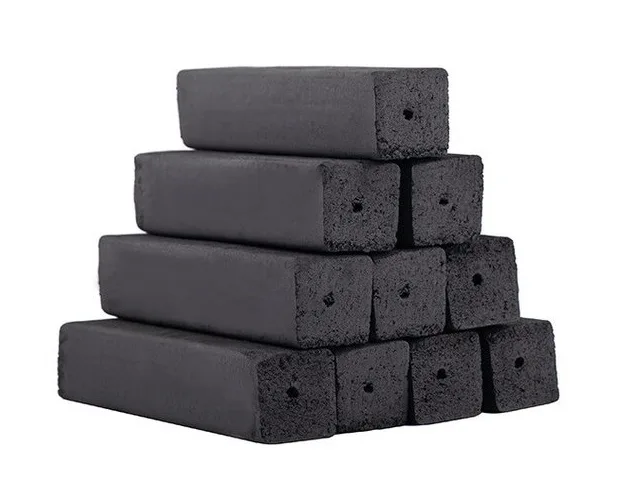
Sawdust charcoal briquettes are compact fuel blocks made from carbonized sawdust. They burn longer, produce less smoke, and are more environmentally friendly compared to traditional firewood or lump charcoal.
Benefits of Sawdust Briquettes:
-
Utilize waste materials (sawdust, wood chips)
-
High energy efficiency and long burn time
-
Low smoke and ash content
-
Easy to store and transport
-
Ideal for household and commercial use
Raw Materials Needed
To understand how to make charcoal briquettes from sawdust, you first need the right materials:
-
Sawdust (dry and clean)
-
Binder (such as starch, cassava flour, or clay)
-
Water
Tips for Raw Materials:
-
Moisture content should be below 12%
-
Avoid sawdust mixed with chemicals or paint
-
Finer particles produce better briquettes
Equipment Required
Depending on your production scale, you may need the following equipment:
-
Carbonization furnace (for turning sawdust into charcoal)
-
Crusher (to grind charcoal into powder)
-
Mixer (to combine charcoal powder with binder)
-
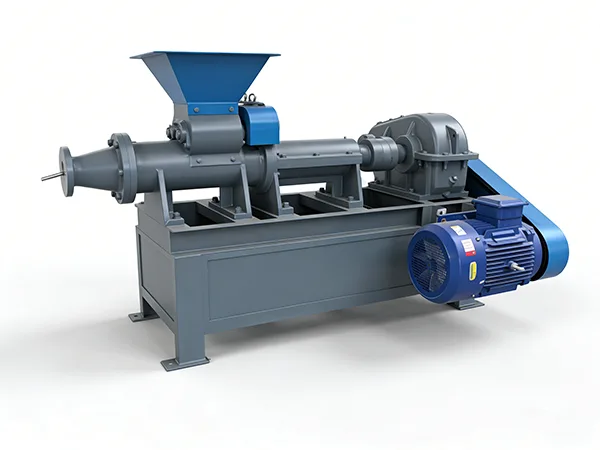
Briquette machine (to shape the briquettes)
-
Dryer (to remove moisture)
For small-scale production, manual tools can be used, but industrial setups improve efficiency and consistency. Henan Manto Machinery provides a complete range of briquetting equipment designed for both small and large operations.
Step-by-Step Process: How to Make Charcoal Briquettes from Sawdust
Step 1: Carbonization
Carbonization is the process of converting sawdust into charcoal by heating it in a low-oxygen environment.
-
Temperature: 400–600°C
-
Time: 4–8 hours depending on volume
This step removes volatile compounds and leaves behind carbon-rich material.
Step 2: Crushing
After carbonization, the charcoal chunks are crushed into fine powder.
-
Use a wood crusher or hammer mill
-
Ensure uniform particle size for better briquette quality
Step 3: Mixing with Binder
Charcoal powder alone won’t hold its shape, so a binder is added.
-
Common binder ratio: 3–5% starch
-
Add water gradually while mixing
The mixture should have a paste-like consistency—not too wet or too dry. For consistent mixing results, equipment from Henan Manto Machinery Equipment Co., Ltd. ensures thorough blending.
Step 4: Briquetting
The prepared mixture is then fed into a briquette machine.
-
Shapes: pillow, hexagonal, cylindrical
-
Pressure: high pressure ensures durability
This step forms the final briquette shape.
Step 5: Drying
Fresh briquettes contain moisture and must be dried.
-
Sun drying (1–3 days) or
-
Mechanical dryer (faster and more consistent)
Final moisture content should be below 10%.
Key Factors for High-Quality Briquettes
To succeed in making charcoal briquettes, focus on:
1. Moisture Control
Too much moisture leads to cracking; too little reduces binding strength.
2. Binder Quality
Organic binders like starch improve combustion and reduce smoke.
3. Compression Pressure
Higher pressure results in denser, longer-burning briquettes.
4. Uniform Particle Size
Fine powder ensures better mixing and shaping.
Common Mistakes to Avoid
When learning how to make charcoal briquettes from sawdust, beginners often make these mistakes:
-
Using wet sawdust
-
Adding too much binder (causes excessive smoke)
-
Poor carbonization (leads to low heat output)
-
Skipping proper drying
Avoiding these issues ensures better product quality and higher efficiency.
Applications of Sawdust Charcoal Briquettes
Sawdust briquettes are widely used in:
-
Household cooking and BBQ
-
Restaurants and street food vendors
-
Industrial heating systems
-
Camping and outdoor activities
Their clean-burning nature makes them a preferred alternative to traditional fuels.
Is It Profitable to Make Charcoal Briquettes?
Yes, producing briquettes can be a profitable business, especially in regions with abundant wood waste.
Profit Advantages:
-
Low raw material cost
-
Growing demand for eco-friendly fuels
-
Scalable production (small to industrial)
By optimizing your process and maintaining consistent quality, you can build a sustainable business around biomass fuel production. Henan Manto Machinery Equipment Co., Ltd. (Henan Manto Machinery) offers professional guidance and high-performance equipment to help you succeed in the charcoal briquette industry.
Final Thoughts
Learning how to make charcoal briquettes from sawdust is a valuable skill for anyone looking to reduce waste and produce clean, renewable fuel. Whether you’re a small-scale entrepreneur or an industrial manufacturer, following the five-step process—carbonization, crushing, mixing, briquetting, and drying—will help you create high-quality briquettes every time.
For reliable equipment and expert support, contact Henan Manto Machinery today.