Skip to content
So you’re thinking about getting into charcoal production – or maybe you’re already in the game and need to upgrade your gear. Either way, one of the most important decisions you’ll make is picking a charcoal production equipment supplier that actually delivers. Not just a machine, but reliability, support, and value. I’ve talked to dozens of small business owners and plant managers over the years, and the stories are always the same: a cheap machine from an unknown supplier ends up costing twice as much in downtime, lost production, and frustration. In this article, I’ll walk you through exactly what to look for in a charcoal making machine supplier, what questions to ask, and how to avoid the common traps. Let’s get into it.
Why Your Choice of Charcoal Production Equipment Supplier Matters More Than You Think
Here’s something that doesn’t get said enough: the machine itself is only half the equation. The other half is the company behind it. A great charcoal production equipment supplier doesn’t just ship you a carbonization furnace and disappear. They help you with installation, train your crew, supply spare parts quickly, and answer the phone when something goes wrong at 2 AM.
I remember a guy in Indonesia who bought a continuous carbonization kiln from a no‑name online seller. The price was unbeatable – almost 40% less than what established manufacturers quoted. Six months later, the auger broke. The supplier had no local parts stock, no English‑speaking technician, and took three months to send a replacement. In that time, he lost over $60,000 in potential revenue. He ended up buying a new machine from a reputable biomass carbonization equipment provider – and paid more in the long run.
That’s why I always tell people: don’t chase the lowest price. Chase the charcoal equipment manufacturer that has a track record, local support, and a real commitment to quality.
Types of Charcoal Production Equipment You’ll Encounter
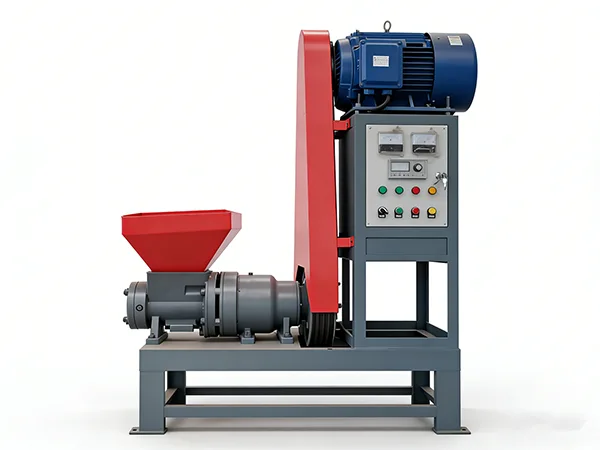
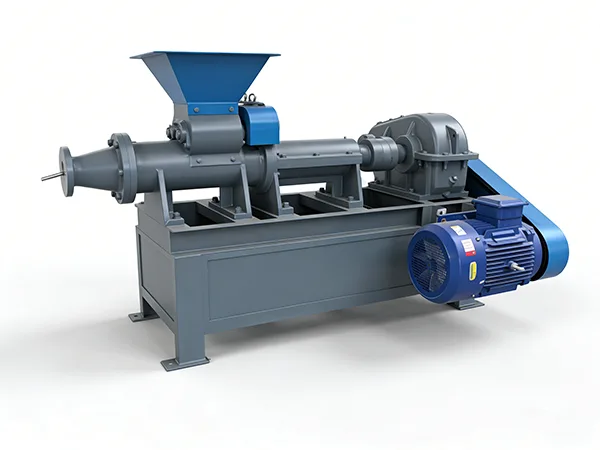
Before we talk suppliers, let’s quickly review what you’re actually buying. Different feedstocks and output volumes require different machines. Here are the main types:
-
Batch carbonization kilns – Simple, low‑cost, but labor‑intensive and slow. Good for small‑scale or cottage industry.
-
Continuous carbonization furnaces – Automated, high‑capacity, energy‑efficient (recycles syngas). Best for commercial production of 500+ kg per day.
-
Rotary drum carbonizers – A subtype of continuous systems, excellent for uniform heating and high throughput.
-
Hydraulic or screw‑type biochar reactors – For specialty applications like activated carbon precursors.
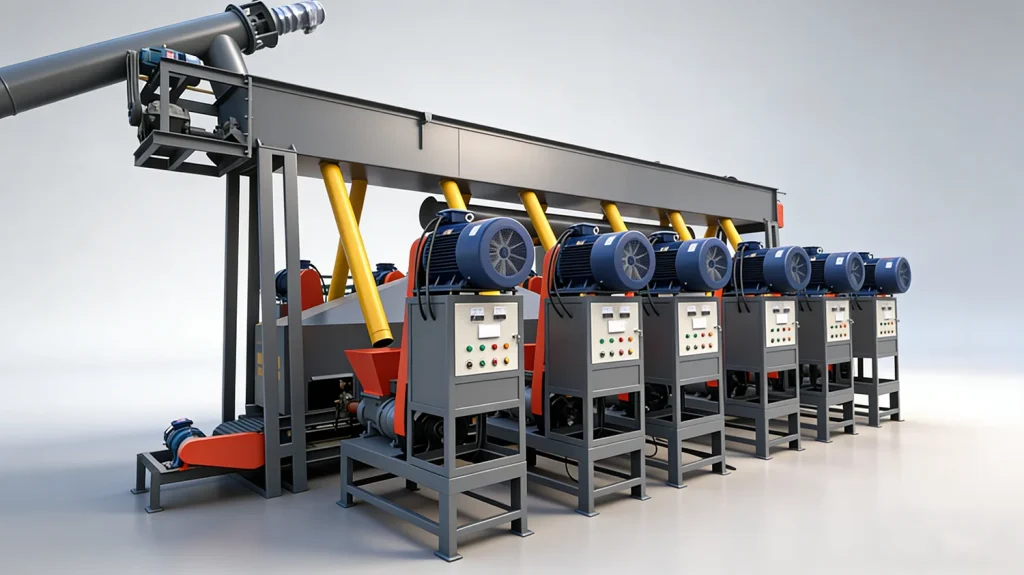
Most serious buyers today are looking for continuous systems because they offer lower labor costs, consistent quality, and better ROI. One company that has been gaining traction in this space is Henan Manto Machinery Equipment Co., Ltd. (also known as Henan Manto Machinery). They manufacture a full range of continuous carbonization equipment, from small 300 kg/hour units up to industrial lines handling 5 tons per hour. I’ve seen their machines in action at a palm kernel shell facility in Malaysia – the build quality was solid, and the gas recycling system kept external fuel use to a minimum.
What to Look for in a Charcoal Production Equipment Supplier
Let me give you a checklist based on real‑world experience. Use this when you’re comparing suppliers.
1. Real Manufacturing Capability – Not Just a Trading Company
A huge number of “suppliers” online are just middlemen. They take your order, then find a factory to build the machine. This adds cost and removes accountability. How to tell? Ask for factory photos, video calls where they walk you through the workshop, and references from past buyers. A genuine charcoal production equipment supplier will be happy to show off their production floor.
2. Local or Regional Technical Support
This is non‑negotiable for commercial operations. If your machine breaks down, can you get a technician on site within 48 hours? Does the supplier have a warehouse in your region with common spare parts (screws, knives, bearings, thermocouples)? Without this, you’re gambling every day.
I’ve seen Henan Manto Machinery Equipment Co., Ltd. invest heavily in overseas service networks. They have agents and support centers in Southeast Asia, Africa, and South America. For a Chinese manufacturer, that level of commitment is rare and valuable.
3. Customization for Your Feedstock
Charcoal equipment isn’t one‑size‑fits‑all. Coconut shells behave differently than palm kernel shells, which behave differently than wood chips. A good charcoal making machine supplier will ask about your moisture content, particle size, and desired output carbon quality. They should offer modifications like different screw pitches, extended drying zones, or special alloy steels for abrasive materials.
4. Compliance with Environmental Regulations
In many countries, you can’t just vent pyrolysis smoke into the air. You need gas cleaning systems, scrubbers, or afterburners. A responsible charcoal production equipment supplier will offer full emissions control packages and help you meet local EPA or equivalent standards. If they say “don’t worry about that” – run.
5. Transparent Pricing and Realistic Delivery Times
Beware of quotes that are dramatically lower than everyone else’s. There’s always a catch – cheap steel, undersized motors, no spare parts. Also ask for a written delivery schedule. A 30‑day promise that turns into 120 days can wreck your business plan.
Top Questions to Ask Before You Buy
When you’re on a call with a potential supplier, don’t just ask “How much?” Dig deeper. Here are my go‑to questions:
-
“Can you provide three customer references in my region or similar industry?”
-
“What is your spare parts fill rate and typical shipping time to my country?”
-
“Do you offer on‑site commissioning and operator training?”
-
“What certifications do your machines have? (CE, ISO, etc.)”
-
“How is the warranty handled – parts only, or parts and labor?”
A legitimate supplier will answer these without hesitation. A shady one will get defensive or vague.
Cost vs. Value: Understanding the Real Investment
Let’s talk money. A small batch kiln might cost as little as 3,000.Afullcontinuouscharcoalproductionlinewithdrying,carbonization,cooling,andgastreatmentcanrunfrom60,000 to over $300,000. That’s a wide range. But the right equipment pays for itself.
For example, a medium‑scale continuous charcoal kiln processing 1 ton of palm kernel shells per hour might produce 300‑350 kg of high‑quality charcoal per hour. At a selling price of 200‑300 per ton, that’s 60‑90 per hour in revenue. Run it 8 hours a day, 25 days a month, and you’re looking at 12,000‑18,000 monthly gross. Even after electricity, labor, and maintenance, the payback period is often under 12 months.
Where most people mess up is buying a machine that’s too small or too inefficient. They save 20,000upfrontbutlose50,000 in lost productivity over two years. Don’t be that person.
Case Study: How a Smart Buyer Chose the Right Supplier
A few years ago, a customer in Nigeria – let’s call him Emeka – wanted to start a coconut shell charcoal business. He had no prior experience with carbonization equipment. He contacted five different charcoal production equipment suppliers, including a well‑known European brand, two Indian companies, and Henan Manto Machinery Equipment Co., Ltd..
Emeka didn’t just compare prices. He asked each supplier for a video test using his own coconut shell samples. Only two agreed. He then checked references – Henan Manto connected him with three buyers in Ghana and Malaysia. He flew to visit one of the installations. What he saw: a clean, efficient operation with low smoke emissions and consistent charcoal quality.
He ended up buying a coconut shell charcoal furnace from Henan Manto Machinery Equipment Co., Ltd. Two years later, his business is processing 4 tons of shells per day, employing 12 people, and selling charcoal to local barbecue manufacturers and export markets. He told me the key was the supplier’s willingness to train his operators and provide a full spare parts kit upfront.
Common Mistakes When Selecting a Charcoal Production Equipment Supplier
Let me save you some pain. Here are the most frequent errors I see:
-
Buying based solely on Alibaba price – That amazing deal is often a down payment on headaches.
-
Ignoring power requirements – Some machines need three‑phase power or high amperage that your facility doesn’t have.
-
Forgetting about raw material drying – Wet feedstock kills carbonization efficiency. A good supplier will include or recommend a dryer.
-
Skipping the test run – Always, always, always test your specific material before paying in full.
-
Not planning for waste gas handling – The smell and smoke can get you shut down by neighbors or regulators.
The Future of Charcoal Production Equipment
The industry is moving toward automation, remote monitoring, and tighter environmental controls. Some charcoal production equipment suppliers are now offering IoT‑enabled systems that let you monitor temperature, feed rate, and gas composition from your phone. Biochar for carbon credits is another huge driver – certified biochar can sell for 200‑600 per ton depending on the carbon removal market.
If you’re planning a long‑term investment, look for a supplier that stays current with technology. Ask about upgrade paths, software updates, and compatibility with carbon certification standards like EBC or Puro.earth.
Final Recommendations
So, after all that, how do you choose the right charcoal production equipment supplier?
-
Do your homework – Research at least three suppliers. Get detailed quotes and compare specs line by line.
-
Demand proof – Videos, references, factory visits (in person or virtual). A legit supplier has nothing to hide.
-
Think about the total cost – Not just the machine price, but shipping, installation, training, spare parts, and ongoing support.
-
Trust but verify – Even with a reputable company, have a contract that spells out warranty terms, delivery dates, and penalties for delays.
And finally, don’t underestimate the value of a supplier that treats you as a long‑term partner, not a one‑time transaction. The best charcoal production equipment supplier will work with you to optimize your process, recommend upgrades, and help you scale.
Whether you’re processing coconut shells, palm kernel shells, wood waste, or bamboo, the right equipment and the right partner make all the difference. Take your time, ask the hard questions, and you’ll build a charcoal business that lasts.