Skip to content
If you‘ve been making charcoal manually, you know the pain: shoveling biomass into the kiln hour after hour, uneven feeding that causes inconsistent quality, and the constant need for extra workers just to keep the fire going. There’s a better way. A charcoal machine with automatic feeding takes the hassle out of carbonization. It feeds your raw material—coconut shells, wood chips, sawdust, or palm kernel shells—into the reactor at a precise, controlled rate, 24 hours a day if you want. No more manual loading, no more guesswork.
I‘ve watched small producers double their output simply by adding an automatic feeding system to their existing kiln. In this guide, I’ll explain how automatic feeding works, why it‘s a game‑changer for your business, and what to look for when buying. I’ll also share how manufacturers like Henan Manto Machinery Equipment Co., Ltd. are making this technology accessible to small and medium producers.
What Is a Charcoal Machine with Automatic Feeding?
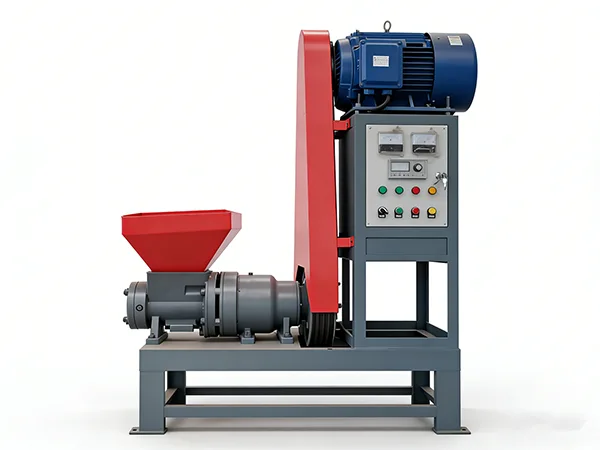
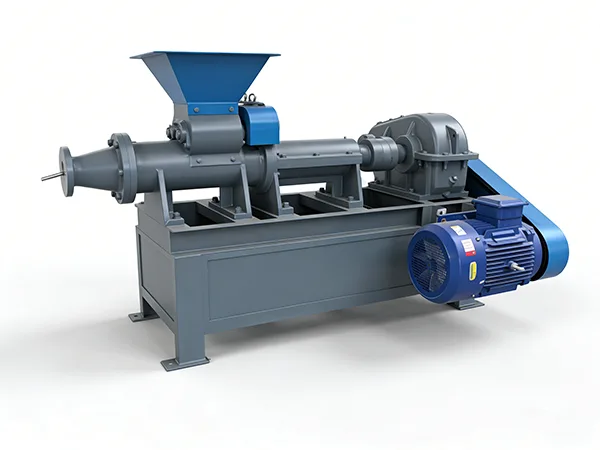
At its heart, an automatic charcoal feeding system replaces the manual labor of loading biomass into the carbonization reactor. Instead of a person standing with a shovel, a screw conveyor, belt feeder, or hydraulic pusher moves material from a storage hopper directly into the furnace at a controlled speed.
Most automatic feeding systems are integrated into continuous carbonization furnaces, where material enters one end, moves through different temperature zones, and exits as finished charcoal at the other end. However, you can also retrofit a batch kiln with a simple auger feeder to reduce labor.
Key components of a modern continuous carbonization system with auto‑feed include:
-
Storage hopper – Holds 2–10 tons of raw biomass.
-
Screw conveyor – Transfers material from hopper to reactor.
-
Variable speed drive – Adjusts feed rate to match production demand.
-
Level sensor – Prevents overfilling or underfeeding.
-
Control panel – Allows one operator to manage the entire line.
Why Automatic Feeding Is a Game‑Changer
I‘ve seen too many producers burn out (literally) from the physical grind of loading kilns. Here’s what automation does for you:
1. Dramatically Lower Labor Costs
One person can now monitor several machines instead of a crew of five or six shoveling biomass. That‘s a 70–80% reduction in labor costs per ton of charcoal.
2. Consistent Quality
Manual feeding leads to temperature swings—too much cold biomass at once drops the reactor temperature, causing incomplete carbonization. An auto-feed carbonization furnace meters material in a thin, steady stream, keeping internal temperatures stable. The result: every batch has the same fixed carbon content and burn time.
3. Higher Output
Continuous feeding means no downtime between batches. While a batch kiln might take 8 hours to carbonize plus cooling time, a continuous system with automatic feeding can run 24/7, producing charcoal every minute of the day.
4. Energy Efficiency
When you feed evenly, the combustion gases are more consistent, making it easier to recycle syngas back into the furnace. Many automatic systems save 30–50% on external fuel by capturing and burning the volatiles released during carbonization.
5. Safer Working Conditions
No more leaning over a hot kiln opening to shovel in wet biomass. The operator stays at a safe distance, controlling everything from a panel.
How to Choose an Automatic Charcoal Machine
Not all automatic feeders are created equal. Based on what I‘ve learned from talking to dozens of producers, here are the features that matter most.
Feed Rate Control
You need to adjust the feed rate based on your biomass type. Coconut shells, for example, are denser than sawdust and require slower feeding to allow enough time for carbonization. Look for a machine with a variable speed motor (VFD) on the conveyor.
Compatibility with Your Biomass
Wet, sticky biomass (like palm EFB or green wood chips) can clog certain screw conveyors. Ask the manufacturer if they’ve tested their system with your specific material. Henan Manto Machinery offers customized auger designs for difficult feedstocks.
Integration with Drying and Cooling
Automatic feeding works best when paired with a pre‑dryer (to reduce moisture below 15%) and a cooling screw (to quench the hot charcoal). Many suppliers offer complete lines that include all three stages.
Build Quality and Spare Parts
The screw conveyor and hopper take a beating from abrasive charcoal dust. Look for hardened steel flights and a thick liner. Also, check whether the supplier stocks replacement parts locally or can ship them quickly. Nothing shuts down a production line faster than a broken auger with no spare in sight.
Real‑World Example: From Manual to Automatic
A small charcoal business in Vietnam used to process 500 kg of coconut shells per day using a manually fed batch kiln. Two workers spent six hours loading and tending the fire. The quality was inconsistent—some charcoal was under‑carbonized and smoky.
They invested in an industrial charcoal machine with automatic feeding from Henan Manto Machinery Equipment Co., Ltd. . Now, one worker loads the hopper once per shift. The machine feeds shells continuously, and the output charcoal is uniform, with fixed carbon consistently above 80%. Daily output tripled to 1,500 kg, and labor costs dropped by 60%. The machine paid for itself in nine months.
Automatic Feeding for Small vs Large Producers
-
Small producers (1–3 tons/day) can use a semi‑automatic system: a screw feeder attached to a batch kiln. It still requires some manual intervention but eliminates the hardest physical work.
-
Medium producers (3–10 tons/day) should look for a fully automatic continuous carbonization furnace with integrated feeding, drying, and cooling.
-
Large producers (10+ tons/day) need industrial‑scale lines with multiple hoppers, automatic bagging, and remote monitoring.
Henan Manto Machinery has models for all scales, from compact 200 kg/hour units to industrial lines handling 5 tons per hour.
Common Mistakes to Avoid
-
Buying an automatic feeder without testing your material – Always send a sample to the supplier for a trial run.
-
Ignoring moisture content – Automatic feeders work best with biomass dried to below 15%. Wet material bridges and clogs the hopper.
-
Forgetting about dust control – Automatic feeding can generate dust; make sure the system includes a dust collection port or cyclone.
-
Underestimating power requirements – Conveyors, fans, and controls need reliable electricity. In remote areas, consider a diesel‑powered generator.
Conclusion
A charcoal machine with automatic feeding is one of the best investments you can make to modernize your charcoal business. It saves labor, improves consistency, increases output, and often pays for itself within a year. Whether you‘re upgrading a small batch kiln or building a new production line, look for a supplier that offers robust construction, local support, and a willingness to test your specific biomass.
Take the time to compare features, run tests, and talk to existing customers. The right automatic feeding system will turn your charcoal production from a sweaty chore into a smooth, profitable operation.